
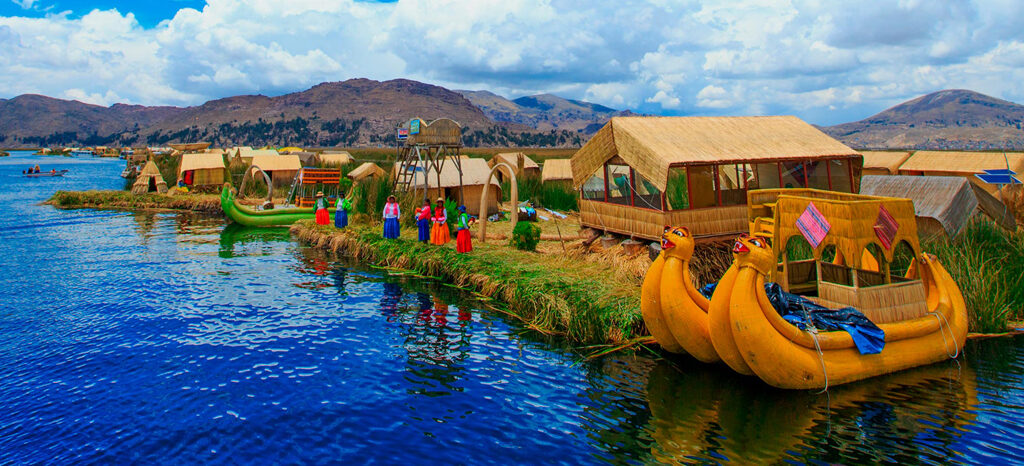
The Floating Islands of Uros are a unique and fascinating cultural landmark on Lake Titicaca, one of the world’s highest lakes. These islands, entirely made of totora reeds, are home to the Uros people, an indigenous community that has lived on these waters for centuries. The Uros have created a world that floats, both literally and metaphorically, sustained by their deep connection to the lake and the totora that supports their entire way of life. This article will guide you through the history, culture, and experience of visiting these incredible islands.
The Magic of Totora: The Material That Sustains a World
2.1 What is Totora and Where Does it Grow?
Totora is a type of reed that grows abundantly in the shallow waters of Lake Titicaca. It’s a versatile plant that the Uros have used for generations to build their islands, homes, and boats. Totora is not just a building material; it is a vital part of the Uros’ daily life, even serving as food and medicine. During my visit, I learned how the Uros carefully harvest the reeds and use them in multiple layers to create the floating platforms that form the base of their islands.
2.2 Building the Floating Islands: An Ancient Process
The construction of the floating islands is an ancient technique passed down through generations. The process begins with cutting and assembling large blocks of totora roots, which are naturally buoyant and provide the foundation of the islands. These blocks are then anchored and covered with layers of dry totora, which must be regularly replaced to keep the islands afloat. Maintaining the islands requires constant work; the Uros are always adding new layers of reeds, ensuring their homes remain stable and secure on the water.
The Culture of the Uros: Traditions Floating on the Lake
3.1 History of the Uros: Origins and Adaptation
The Uros people are believed to have settled on these floating islands long before the rise of the Inca Empire. Historical accounts suggest that the Uros moved onto the lake to escape conflict and secure a peaceful existence, using their knowledge of the lake and its resources to create a unique way of life. Living on the water provided them with safety and access to abundant fishing, which remains a crucial part of their subsistence.
3.2 Daily Life on the Islands: Customs and Rituals
Life on the floating islands is closely tied to the lake and the totora reeds. The Uros live in simple homes made of totora, and their daily activities revolve around fishing, crafting, and maintaining the islands. During my visit, I was amazed by how the Uros use every part of the totora plant: they even eat the soft, white part of the reed, which they claim helps keep their teeth healthy. Their way of life is a testament to their ingenuity and their ability to thrive in a challenging environment.
3.3 Modern Challenges: Preserving an Ancestral Culture
While the Uros have maintained many of their traditions, modern life has brought significant changes. Many young Uros now leave the islands to pursue education and work in nearby cities, leading to concerns about the future of their culture. The community faces the challenge of balancing tradition with the need to adapt to a rapidly changing world. It’s essential to support efforts that help preserve their way of life while allowing them to benefit from modern opportunities.
Exploring the Floating Islands: What to See and Do
4.1 The Journey: From Puno to the Uros Islands
The journey to the Uros Islands begins in Puno, the main city on the Peruvian side of Lake Titicaca. From Puno, you can take a boat tour that will bring you to the islands in about 30 minutes. The ride itself is a beautiful experience, offering stunning views of the lake and the surrounding mountains. Once you arrive, you’ll be welcomed by the Uros, who are eager to share their world with visitors.
4.2 Interacting with the Community: Learn and Live Like a Uro
Visiting the Uros Islands is a deeply immersive experience. The Uros are proud of their culture and are happy to demonstrate how they build their islands, make their crafts, and live their daily lives. I had the chance to try some of their traditional activities, like weaving totora and even tasting it. The most rewarding part was learning about their customs directly from the people who practice them every day. This interaction offers a genuine connection to a way of life that is unlike any other in the world.
4.3 Totora Boat Rides: A Traditional Adventure
One of the highlights of visiting the Uros Islands is taking a ride on a totora boat. These boats, also made from totora reeds, are crafted by hand using the same techniques passed down for generations. The Uros use these boats for everything from fishing to traveling between islands. As I floated across the lake in one of these boats, I felt a deep appreciation for the skill and knowledge required to build and navigate them. The ride is not just a tourist activity; it’s a chance to experience a piece of living history.
Impact of Tourism and Sustainability on the Uros Islands
5.1 The Benefits and Challenges of Tourism on the Floating Islands
Tourism has become an essential source of income for the Uros community, helping them sustain their way of life and preserve their culture. However, the influx of visitors also presents challenges, such as environmental impact and the pressure to modernize. The delicate balance of the floating islands requires careful management to ensure that tourism does not harm the very thing that makes these islands unique. It’s important for visitors to be aware of their impact and to support sustainable tourism practices.
5.2 Tips for Responsible Tourism: Supporting Culture and the Environment
As a visitor, you can play a vital role in preserving the Uros culture and the environment. Consider booking tours that are led by local guides and staying in accommodations that support the community. Respect the Uros’ customs and traditions, and be mindful of your environmental footprint. By being a responsible tourist, you can help ensure that the Uros’ unique way of life continues to thrive for generations to come.
Conclusion: Discover the Unique Charm of the Uros Islands
The Floating Islands of Uros are a remarkable testament to human ingenuity and resilience. The Uros people have created a world that floats on Lake Titicaca, sustained by the totora reeds that have become the foundation of their culture. Visiting these islands offers a rare opportunity to step into a different way of life, one that is deeply connected to nature and rooted in centuries-old traditions. If you’re looking for a travel experience that combines history, culture, and natural beauty, the Uros Islands should be at the top of your list. Come and discover a world made of totora.
Questions?
1. What are the Floating Islands of Uros made of?
The Floating Islands of Uros are made entirely from totora reeds, a type of plant that grows abundantly in the shallow waters of Lake Titicaca. The Uros people use the roots of the totora to create floating blocks that form the foundation of the islands. These blocks are then covered with layers of dry totora, which need to be regularly replaced to keep the islands afloat.
2. How do the Uros people maintain their floating islands?
Maintaining the floating islands requires constant work. The Uros people regularly add new layers of totora reeds to the islands as the lower layers start to rot. They also replace parts of the reed structures used in their homes and boats. This continuous upkeep is essential to ensure that the islands remain stable and safe for living.
3. What can visitors do on the Floating Islands of Uros?
Visitors to the Uros Islands can engage in a variety of activities, including learning how the islands are built, trying traditional crafts, and tasting totora reeds. A popular activity is taking a ride on a totora boat, which offers a unique perspective of the islands and the lake. Visitors can also interact with the Uros community, learning about their daily life and traditions.
4. How does tourism impact the Uros Islands?
Tourism has both positive and negative impacts on the Uros Islands. It provides a significant source of income for the Uros community, helping them sustain their way of life and preserve their culture. However, the increased number of visitors can also put pressure on the delicate environment of the floating islands. Responsible tourism practices are crucial to ensure that the islands and their unique way of life are preserved.
5. What is the best time of year to visit the Floating Islands of Uros?
The best time to visit the Floating Islands of Uros is during the dry season, from May to October. During these months, the weather is more stable, with fewer chances of rain, making it ideal for outdoor activities and boat trips on Lake Titicaca. The clear skies also offer breathtaking views of the lake and the surrounding landscape.