


Nestled high in the Andes, Lake Titicaca is not only the world’s highest navigable lake but also a place of profound cultural and spiritual significance. Straddling the border between Peru and Bolivia, this stunning body of water is home to ancient civilizations, floating islands, and breathtaking landscapes. Whether you’re drawn by its historical richness or the natural beauty, Lake Titicaca is a must-visit destination for any traveler exploring South America.
The Best Time to Visit Lake Titicaca: Climate and Seasons
Understanding the climate is key to planning your visit to Lake Titicaca. The region experiences two main seasons, each offering a different travel experience.
Dry Season (April to October): This period is widely considered the best time to visit Lake Titicaca. During these months, the weather is more predictable, with clear skies and cool temperatures. This is ideal for exploring the lake and its fascinating islands without the interruption of rain. The dry season also aligns with Peru’s peak travel season, so you’ll find a more vibrant atmosphere with fellow travelers exploring the region.
Rainy Season (November to March): While the rainy season sees fewer tourists, it offers a unique opportunity to experience Lake Titicaca in a different light. The landscape becomes lush and green, providing stunning photo opportunities. However, be prepared for frequent showers and potential disruptions in travel plans. Despite the rain, this season can offer a more tranquil experience with fewer crowds and a more authentic connection to the local culture.
Exploring the Fascinating Islands of Lake Titicaca
One of the highlights of any trip to Lake Titicaca is visiting its fascinating islands. Each island offers a unique glimpse into the region’s rich history and enduring traditions.
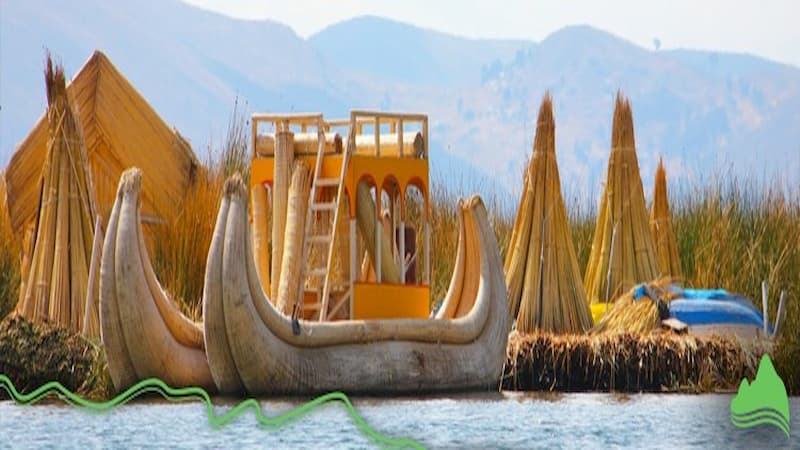
Uros Floating Islands: The Uros Islands are perhaps the most famous and unique of all the islands on Lake Titicaca. Made entirely of totora reeds, these floating islands have been home to the Uros people for centuries. Visitors are welcomed by the islanders, who share their way of life, including their unique construction techniques and traditional crafts. Taking a tour to the Uros Islands allows you to experience this incredible culture firsthand, though be prepared for some aspects of the visit to be more commercialized.
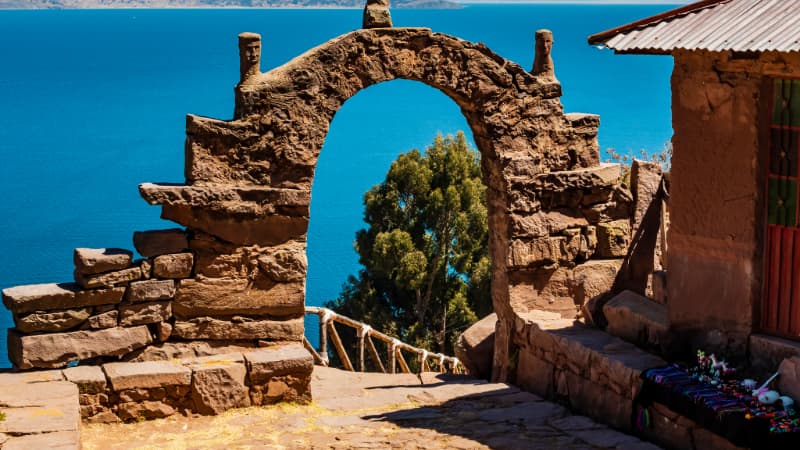
Taquile and Amantani Islands: For a more serene and immersive experience, consider visiting Taquile and Amantani Islands. These larger islands are known for their peaceful atmosphere and deep-rooted traditions, particularly in textile weaving. A stay on Amantani Island often includes a night with a local family, offering a rare opportunity to live as the islanders do, surrounded by stunning views of the lake.
Travel Tips: How to Make the Most of Your Visit
To ensure your trip to Lake Titicaca is unforgettable, here are some practical tips:
Getting There: Most travelers start their journey in Puno, a city located on the shores of Lake Titicaca. If you’re coming from Cusco, consider taking an overnight bus to maximize your time. It’s crucial to book your tickets in advance, especially during peak season, and remember to also purchase the terminal fee ahead of time to avoid long lines.
Where to Stay: Staying close to the lake can enhance your experience, but it’s important to plan ahead. While it might be tempting to find a place to stay upon arrival, it’s often easier and more convenient to book your accommodation in advance. Many hotels and hostels offer stunning views of the lake, providing a perfect base for your explorations.
Choosing a Tour: When selecting a tour to the Uros Islands or other parts of the lake, it’s essential to ask about any additional costs upfront. Tours can vary greatly in price and quality, so doing a bit of research will help you find one that suits your budget and interests. Early morning tours are recommended as they allow you to visit multiple islands and experience the lake’s beauty with fewer crowds.
Conclusion: Why Lake Titicaca Should Be on Your Travel Bucket List
Lake Titicaca is not just another destination; it’s a journey into the heart of Andean culture and history. Whether you visit during the dry season for clear skies and bustling activity or in the rainy season for a more intimate experience, the magic of Lake Titicaca and its islands is undeniable. The blend of natural beauty, cultural richness, and spiritual significance makes this one of the most fascinating places in South America. Don’t miss the opportunity to explore it—plan your visit to Lake Titicaca today.
Frequently Asked Questions
What is the best time to visit Lake Titicaca?
The best time to visit Lake Titicaca is during the dry season, from April to October. This period offers stable weather, clear skies, and cool temperatures, making it ideal for exploring the lake and its islands. However, if you prefer fewer tourists and don’t mind occasional rain, the rainy season from November to March can also provide a unique and quieter experience.
How do I get to Lake Titicaca?
To reach Lake Titicaca, most travelers start in the city of Puno, which is well-connected by bus from major Peruvian cities like Cusco and Arequipa. For those coming from Cusco, an overnight bus is a convenient option. It’s important to book your bus tickets in advance and also secure a Lake Titicaca tour ahead of time to ensure availability, especially during peak travel seasons.
What are the must-see islands on Lake Titicaca?
The Uros Floating Islands are a must-see for their unique construction and cultural significance. Another popular destination is Taquile Island, known for its stunning textiles and traditional way of life. For a more immersive experience, consider a Lake Titicaca tour that includes an overnight stay on Amantani Island, where you can live with a local family and experience the island’s traditions firsthand.
What should I pack for a trip to Lake Titicaca?
When visiting Lake Titicaca, it’s essential to pack for the high-altitude conditions. Bring warm clothing, as temperatures can drop significantly at night, even during the dry season. Don’t forget sunscreen, sunglasses, and a hat to protect yourself from the strong Andean sun. Also, bring comfortable walking shoes for exploring the islands and a reusable water bottle to stay hydrated during your Lake Titicaca tour.
Are there any additional costs during a Lake Titicaca tour?
Yes, while many Lake Titicaca tours include the basic costs of transportation and entrance fees, there can be additional expenses. For example, when visiting the Uros Islands, you might be invited to participate in activities or make purchases that are not included in the tour price. It’s a good idea to bring some extra cash to cover these costs and any souvenirs you might want to buy.