
Chinchero, located in the Sacred Valley of the Incas, is a fascinating place that combines the grandeur of its Inca past with the influence of colonial architecture and culture. In this article, I invite you to discover the rich history and traditions that have made this town a true cultural treasure.
Introduction to Chinchero: An Inca and Colonial Town
Situated at over 3,750 meters above sea level, Chinchero is known as one of the most picturesque towns in the Sacred Valley. It’s not only famous for its breathtaking landscapes but also for its profound historical and cultural legacy. Here, the ancient Incas built agricultural terraces, while Spanish colonists constructed a church atop the ruins of an Inca palace. This incredible contrast makes Chinchero a unique place where two eras meet and coexist in harmony.
The History of Chinchero: From the Incas to the Spanish
Chinchero boasts a rich history dating back to the time of Inca Túpac Yupanqui, who established a royal residence in this area. The terraces and stone walls that can still be seen today are a testament to the Inca engineers’ mastery of the land.
When the Spanish arrived in the 16th century, they destroyed many Inca structures but repurposed some for their own use. In 1607, the colonists built a church on top of Túpac Yupanqui’s palace, blending Inca and colonial architecture. This fusion of two cultures is still visible in Chinchero’s ruins, where Inca and colonial elements combine in a striking way.
The Inca and Colonial Architecture of Chinchero
Chinchero is a place where visitors can admire the marks left by both the Incas and the Spanish colonists. Some of the most important sites include:
The Inca Terraces
The agricultural terraces of Chinchero clearly demonstrate the advanced knowledge the Incas had about farming. These terraces allowed them to cultivate on the mountains, maximizing land use and controlling erosion. Walking through these terraces transports you back to the time when the Incas ruled this region.
The Colonial Church of Chinchero
One of the jewels of Chinchero is its colonial church, built in the 17th century. Though constructed on the remains of an Inca palace, the church clearly reflects Spanish influence with its golden altar and colonial paintings that adorn its interior. This church is one of the best examples of how Inca and colonial cultures overlap in Chinchero.
The Living Culture of Chinchero
Chinchero is not just about ancient history; it’s also a place where traditions and culture have endured for centuries. Today, the town is still famous for its crafts and customs passed down through generations.
The Artisan Market and Traditional Textiles
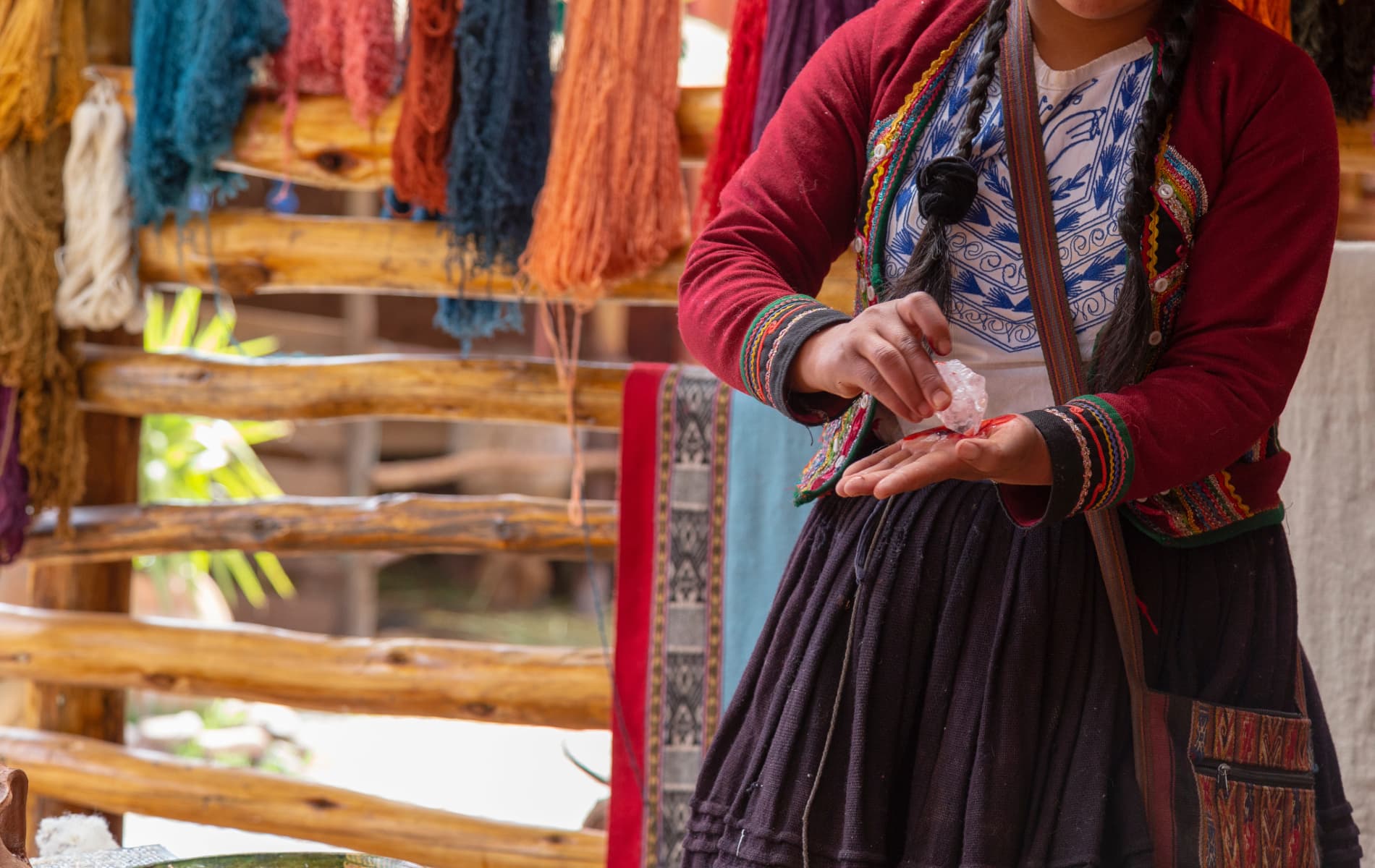
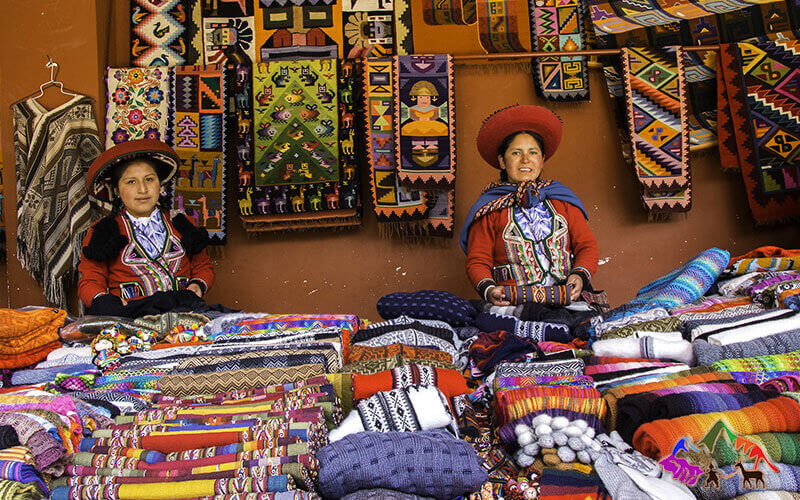
The Chinchero market is one of the most authentic in the Sacred Valley. Here, local artisans sell traditional textiles, made with ancient techniques using alpaca and sheep wool. These textiles are not only beautiful but also tell a story, as the patterns and colors used reflect the people’s connection to their Inca past. Buying a piece from this market means taking home a part of Chinchero’s history.
Festivals and Traditions of Chinchero
The town of Chinchero is known for its traditional festivals, where Inca and Spanish customs come together. During major celebrations, such as the Festival of the Virgin of the Nativity, the town comes alive with music, dances, and colorful costumes. These festivities are proof that the culture of Chinchero is still thriving, rooted in both Inca and colonial traditions.
Conclusion: The Cultural and Historical Importance of Chinchero
Chinchero is much more than just a small town in the Sacred Valley; it’s a symbol of the fusion of two great cultures that have left an indelible mark on Peru’s history. Whether you are fascinated by architecture, history, or living traditions, Chinchero has something to offer. Exploring its ruins, walking through its terraces, and talking to local artisans will allow you to better understand the rich cultural heritage of this magical place. Don’t miss it on your next trip to the Sacred Valley!
Frequently Asked Questions
How did the Spanish arrive in Chinchero?
The Spanish arrived in Chinchero in the 16th century, destroying many Inca structures but repurposing some for their own use, such as building the colonial church atop Túpac Yupanqui’s palace.
When is the best time to visit Chinchero?
The best time to visit Chinchero is between May and September, when the weather is drier and the views are clearer.
What can I buy at the Chinchero market?
The Chinchero market is famous for its traditional textiles, made with ancient Inca techniques. Here, you can find ponchos, scarves, and blankets made by hand.
What is the main archaeological attraction in Chinchero?
The Inca terraces are one of the main archaeological attractions in Chinchero, along with the colonial church, built on the ruins of the Inca palace.
What festivals are celebrated in Chinchero?
One of the most important festivals in Chinchero is the Festival of the Virgin of the Nativity, featuring dances, music, and traditions from both the Inca and colonial periods.