
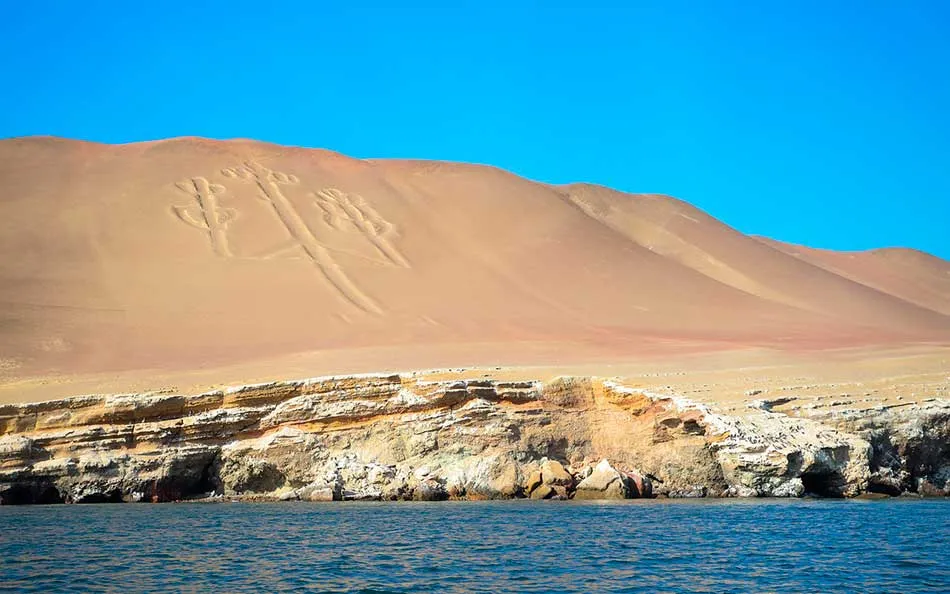
Perched on the slopes of the Paracas Peninsula, the Paracas Candelabra is one of Peru’s most enigmatic geoglyphs. Like the famous Nazca Lines, this giant figure carved into the earth has puzzled historians, archaeologists, and travelers alike for centuries. Standing at an impressive 181 meters (594 feet) in length and visible from up to 20 kilometers (12 miles) out at sea, the Candelabra of Paracas is a testament to the rich and mysterious heritage of the region.
The History of the Paracas Candelabra: An Ancient Enigma
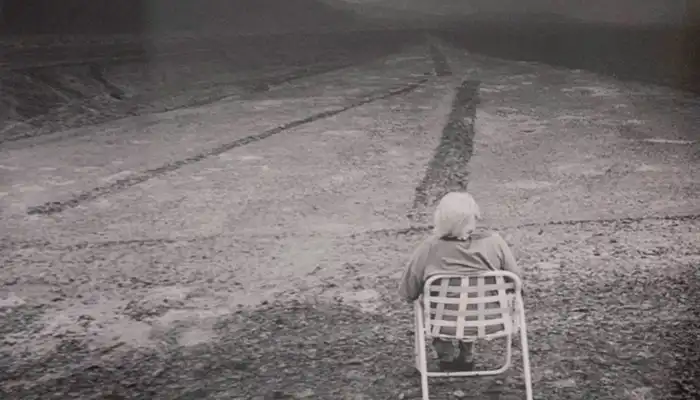
The Candelabra of Paracas is believed to date back to approximately 200 BC, based on the pottery found in the area. This places the geoglyph within the time frame of the Paracas culture, a pre-Inca civilization known for their advanced textiles and burial practices. The Candelabra is carved into the hard soil of the Bay of Pisco, with a depth of about 1.3 meters (4.3 feet). Over time, sand has covered parts of the geoglyph, but its massive size and strategic location have ensured that it remains visible, protected by a thick, crystalline crust formed by the marine winds and salt.
Theories About the Origin of the Paracas Candelabra
The origins and purpose of the Paracas Candelabra have been the subject of much speculation. Here are some of the most prominent theories:
- Navigational Aid: Some researchers suggest that the Candelabra served as a guide for ancient sailors navigating the coast. Its visibility from the sea could have made it a crucial landmark.
- Religious Symbolism: Another theory posits that the geoglyph represents a trident, possibly connected to the Inca god Viracocha, the creator deity who was closely associated with the sea and storms.
- Seismic Recorder: Some believe the Candelabra could have functioned as a giant seismograph, recording tectonic movements not only in Peru but across the world.
- Astronomical Marker: There is also the suggestion that the Candelabra aligns with the Southern Cross constellation, serving as a celestial guide for ancient astronomers.
Regardless of which theory you lean towards, the mystery of the Paracas Candelabra only adds to the allure of visiting this incredible site. Be sure to include this stop in your itinerary when exploring the Paracas National Reserve.
Exploring the Geography and Visibility of the Candelabra
The Candelabra of Paracas is strategically positioned on a steep slope facing the ocean, making it visible from great distances. Its unique location and inclination suggest that it was designed to be seen from afar, particularly by those approaching from the sea. This geoglyph’s placement is no accident, and it continues to captivate those who visit the Paracas Peninsula today. For an even closer look, consider joining a boat tour that takes you past the geoglyph, offering an unparalleled view of this ancient marvel.
Cultural and Touristic Impact of the Paracas Candelabra
The Candelabra of Paracas is not just a historical artifact; it has also become a significant tourist attraction, drawing visitors from around the world. The geoglyph is often included as a highlight on tours to the Paracas National Reserve and the Ballestas Islands, where travelers can marvel at both natural beauty and ancient history. Exploring the mysteries of the Candelabra adds a fascinating layer to any visit to the Paracas region.
Curiosities and Surprising Facts About the Paracas Candelabra
- Material and Preservation: The Candelabra has been preserved for over 2,000 years thanks to the unique environmental conditions of the Paracas Peninsula. The wind, combined with the salt from the sea, has formed a protective crust over the geoglyph, ensuring its longevity.
- Alien Theories: As with many ancient sites, the Paracas Candelabra has sparked theories about extraterrestrial involvement. Some suggest that the geoglyph served as a landing marker for alien spacecraft, though these claims remain in the realm of speculation.
- Archaeological Discoveries: In 1927, Peruvian archaeologist Julio César Tello discovered unusual burials near the base of the Candelabra. These findings have only deepened the mystery surrounding the site, with some suggesting the presence of non-human entities in ancient times.
Final Reflections: The Paracas Candelabra and Its Place in Peruvian History
The Candelabra of Paracas remains one of Peru’s most enduring mysteries. Whether it was a navigational tool, a religious symbol, or something else entirely, this geoglyph continues to fascinate and inspire those who visit. As you explore the wonders of Paracas and its surrounding areas, be sure to take a moment to ponder the secrets of the Candelabra, a relic from a time when the world was a very different place. Don’t miss the opportunity to see this extraordinary monument as part of your journey through the rich cultural heritage of Peru.
FAQs
1. What is the best way to see the Paracas Candelabra?
Answer: The best way to see the Paracas Candelabra is by taking a boat tour from the Paracas Peninsula. These tours often include other attractions, such as the Ballestas Islands, and provide an excellent view of the geoglyph from the sea.
2. How old is the Paracas Candelabra?
Answer: The Paracas Candelabra is believed to date back to approximately 200 BC, making it over 2,000 years old. This places it within the time frame of the Paracas culture, known for their advanced textiles and unique burial practices.
3. What are the main theories about the purpose of the Paracas Candelabra?
Answer: There are several theories about the purpose of the Paracas Candelabra, including its use as a navigational aid for ancient sailors, a religious symbol connected to the Inca god Viracocha, a giant seismograph, or even an astronomical marker aligned with the Southern Cross constellation.
4. Is the Paracas Candelabra related to the Nazca Lines?
Answer: While the Paracas Candelabra is often compared to the Nazca Lines due to its geoglyphic nature, there is no direct evidence linking the two. However, both are significant examples of ancient geoglyphs found in Peru, adding to the country’s rich cultural history.
5. Can you visit the Paracas Candelabra on a tour?
Answer: Yes, the Paracas Candelabra is a popular stop on many tours to the Paracas National Reserve and the Ballestas Islands. These tours provide a comprehensive experience, allowing visitors to explore both the natural beauty and the historical mysteries of the region.