

Ausangate Mountain, one of the most revered mountains in the Peruvian Andes, is known for its spiritual significance and stunning natural beauty. Often referred to as Ausangate Mountain or Mt Ausangate Peru, this majestic peak attracts adventurers and pilgrims from around the world. The trek around Ausangate Peru offers breathtaking views of glaciers, colorful lakes, and natural hot springs, while also allowing hikers to experience the famous 7 Lakes of Ausangate. The trails surrounding Nevado Ausangate offer both a physical challenge and a spiritual journey that will remain unforgettable.
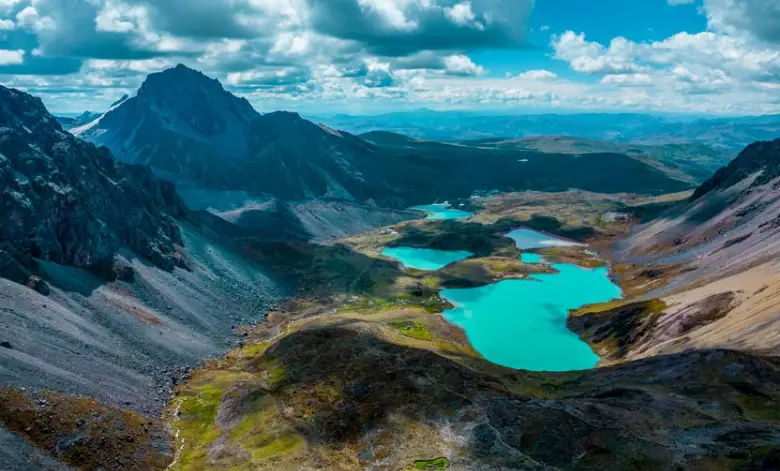
Features of Ausangate Mountain Cusco Perù
| Characteristic | Details |
|---|
| Ausangate Altitude | 6,384 meters (20,945 feet) |
| Location | Vilcanota Mountain Range, Cusco, Peru (100 km southeast of Cusco) |
| Best Time to Visit | May to September (Dry season with clear skies and ideal trekking conditions) |
| Cultural Significance | Ausangate is an Apu (sacred mountain), revered in Andean culture. Rituals and offerings are made to honor and seek protection from the mountain. |
| Landscape Colors | Snow-capped peaks, turquoise lakes, and colorful mountains (red, green, yellow) due to rich mineral deposits. |
| Climate | Cold and dry; warm, sunny days with freezing nights. Strong winds near glaciers. |
Ausangate Mount Perù as a Tour

The Ausangate Mountain trek is one of the most spectacular and challenging treks in Peru. Every year, thousands of hikers are drawn to its stunning landscapes, with around 1,000-2,000 visitors annually, making it a less crowded alternative compared to other Peruvian treks like the Inca Trail?
Here’s why this tour is worth doing:
- Breathtaking scenery: The trek takes you through some of the most pristine and colorful landscapes in the Andes, including glacial lakes, snow-capped peaks, and the famous 7 Lakes of Ausangate.
- Unique experience: Unlike more popular treks, this trail offers tranquility and a closer connection to nature, with opportunities to interact with local communities and witness their traditional way of life.
- Natural wonders: The route includes visits to the Ausangate Glacier, Ausangate Hot Springs, and panoramic views that are truly unforgettable.
The Experience in Brief:
- Campsites: Stay in remote locations, often with views of towering mountains and serene rivers?.
- Wildlife: See herds of alpacas, vicuñas, and even the majestic Andean condor.
- Climate: Prepare for cold nights and crisp, sunny days, especially in the dry season from May to September, when the weather is most stable for trekking.
Reasons to Do the Ausangate Tour:
- Challenge: The ausangate elevation (reaching 5,200 meters) makes it a challenging trek that’s ideal for experienced hikers?.
- Beauty: The multi-colored mountains, combined with the stark white glaciers and blue lakes, create a surreal and stunning environment.
This tour promises an incredible adventure for those seeking both a physical challenge and a deep connection to the awe-inspiring Andean landscape.
Highlights of the Ausangate Trek:
- Ausangate altitude: The highest point of the trek is Palomani Pass, which reaches over 5,200 meters (17,060 feet).
- Ausangate colors: The colors of the mountains and lagoons range from vibrant shades of red, green, and blue, making the landscape incredibly striking.
- Ausangate lagoons: The turquoise waters of the 7 Lakes of Ausangate are an unmissable attraction along the trek
The Story and Legend of the 7 Lakes of Ausangate
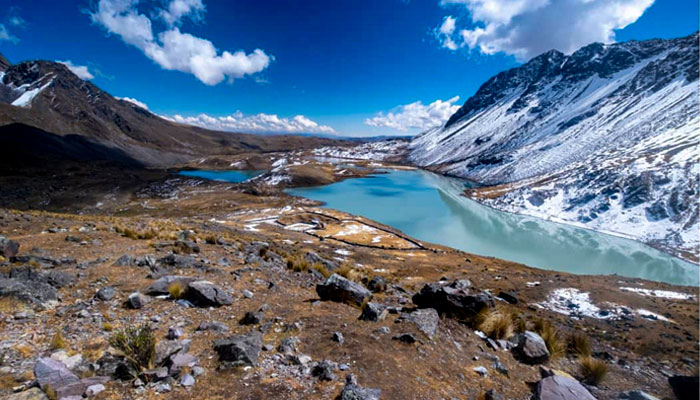
The 7 Lakes of Ausangate are renowned not only for their incredible natural beauty but also for the stories that surround them. According to Andean legend, these lakes were formed from the tears of an Inca princess named Ñusta Q’oyllur. She wept inconsolably after her love for a shepherd was forbidden, as her family did not approve of the relationship.
The princess’s tears created the seven lakes that now decorate the landscape. These waters are said to possess healing and spiritual properties, and local communities still make offerings to the lakes to ask for blessings.
Aausangate 7 lagoons: Beauty and Spirituality in the Andes
The 7 Lakes of Ausangate are a must-see for anyone trekking through the Nevado Ausangate region. Each lake has its own identity, unique colors, and deep cultural significance in Andean tradition. Below are the main characteristics of each one.
1. Otorongo Lake
- Altitude: 4,600 meters
- Location: Pacchanta Valley, at the foot of Ausangate
- Meaning: Named “puma” in Quechua, as it is believed that a puma spirit guards the lake.
- Climate: Cold year-round, with temperatures dropping below 0°C at night.
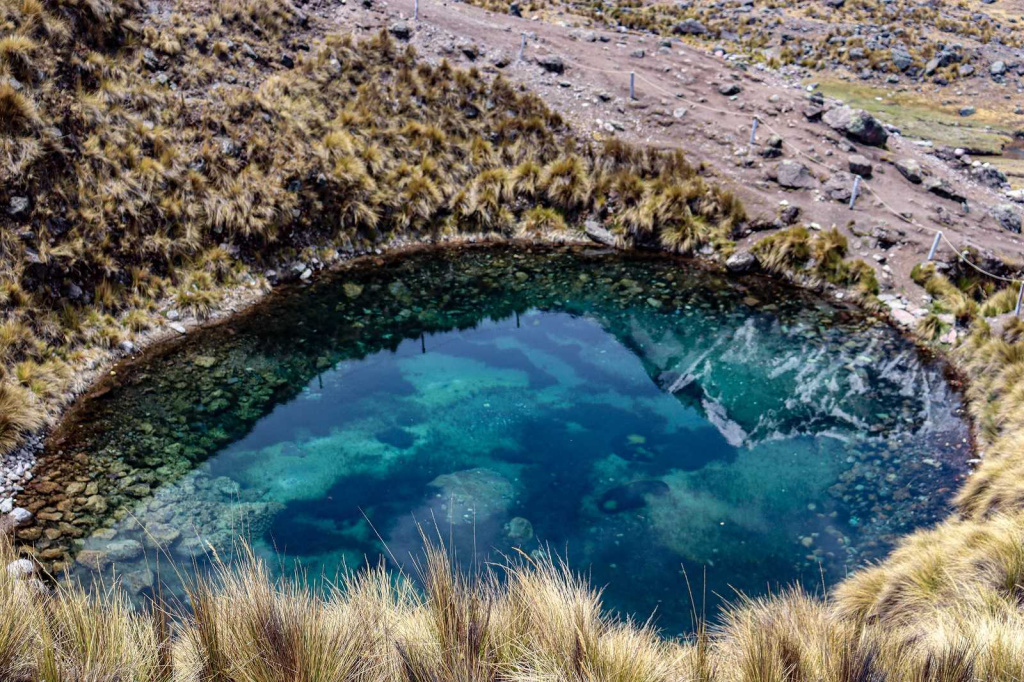
2. Pucacocha Lake
- Altitude: 4,700 meters
- Location: Near the Ausangate Glacier, surrounded by snow-capped mountains
- Meaning: “Puca” means red in Quechua, named for the reddish tones of the surrounding mountains.
- Climate: Cold, with significant temperature shifts between day and night.
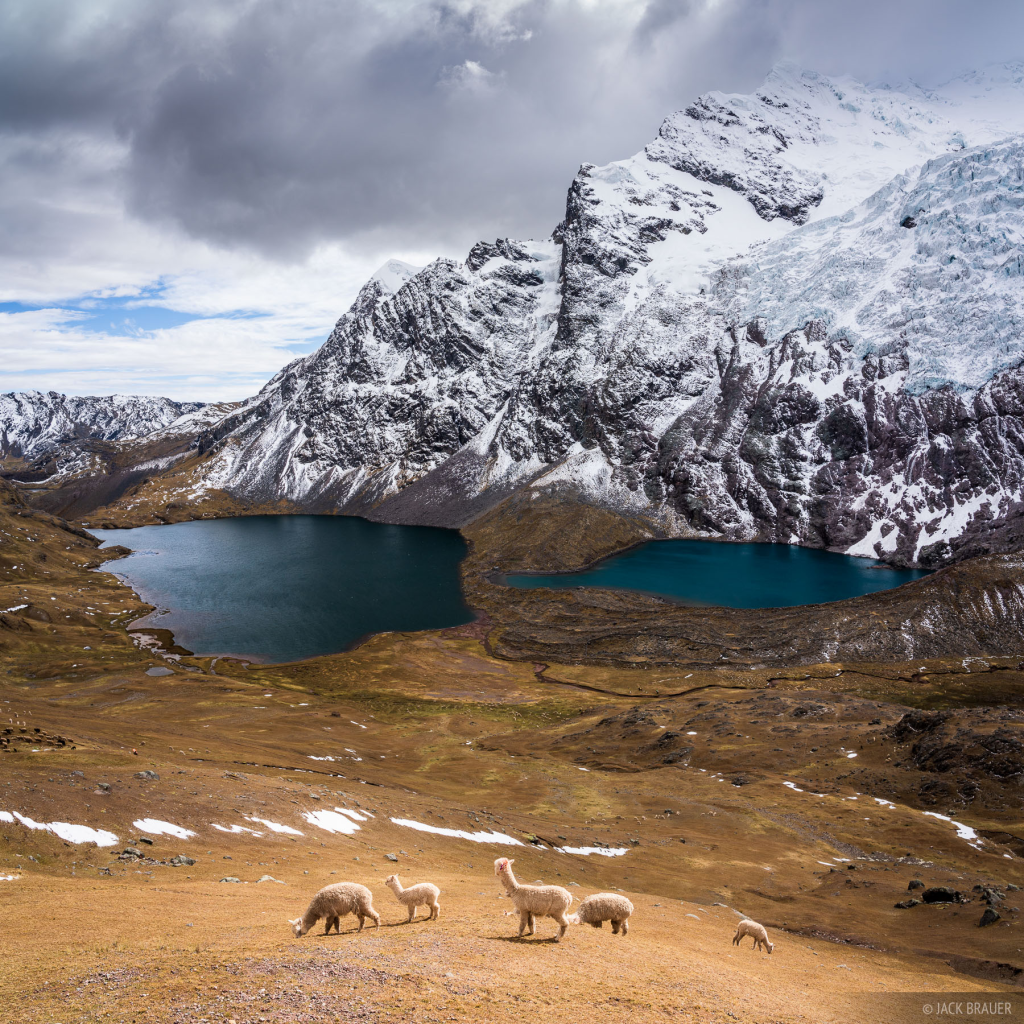
3. Alqacocha Lake
- Altitude: 4,600 meters
- Location: West of Ausangate Mountain
- Meaning: Translates to “fox lake,” as the area is associated with local wildlife.
- Climate: Dry and cold, but sunny during the day.
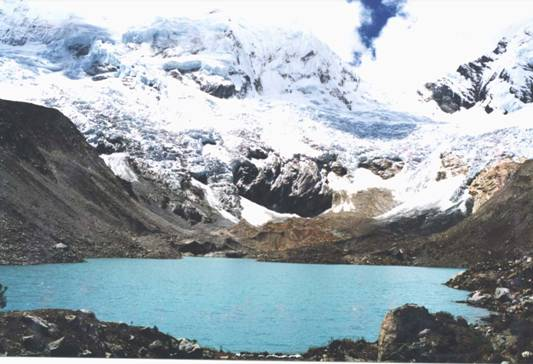
4. Azulcocha Lake
- Altitude: 4,600 meters
- Location: On the main route of the Ausangate trek
- Meaning: “Azulcocha” means “blue lake,” named after its deep, clear blue waters.
- Climate: Cold and dry, especially in winter, with strong winds.
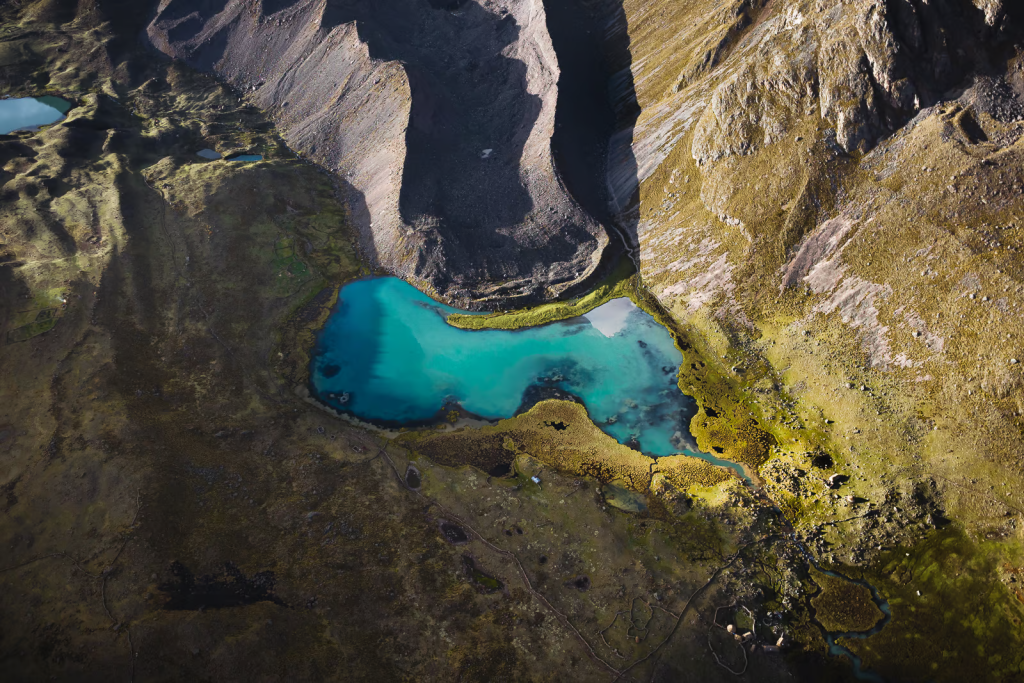
5. Viscachacocha Lake
- Altitude: 4,650 meters
- Location: In a higher, rockier area near Ausangate
- Meaning: Named after the abundance of viscachas, native animals of the Andes, that live around the lake.
- Climate: Cool during the day and cold at night, with occasional precipitation.
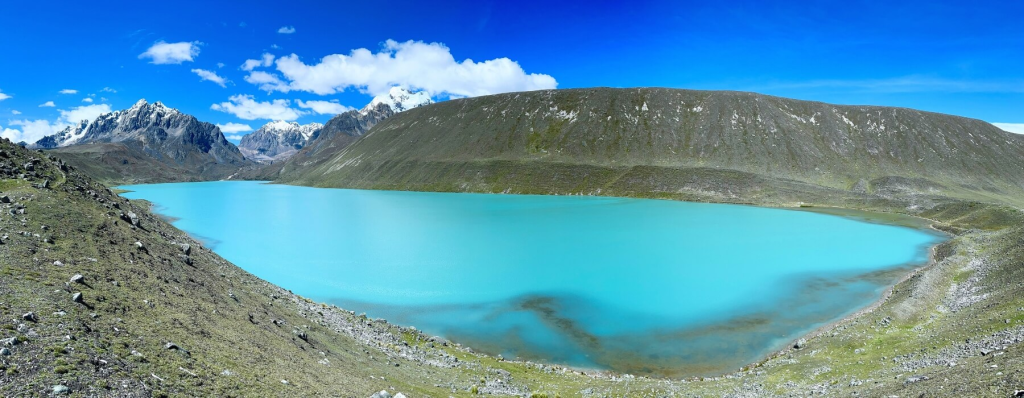
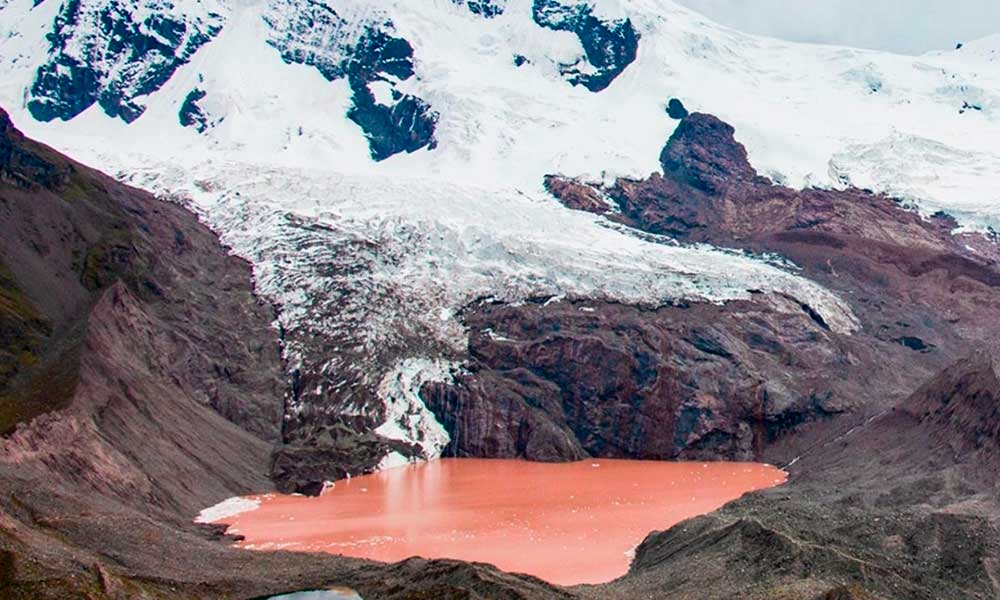
6. Hatun Pucacocha Lake
- Altitude: 4,700 meters
- Location: At the foot of a glacier within the Ausangate circuit
- Meaning: “Hatun” means large in Quechua, so it’s known as the “great red lake.”
- Climate: Freezing and windy, with dramatic temperature changes between day and night.
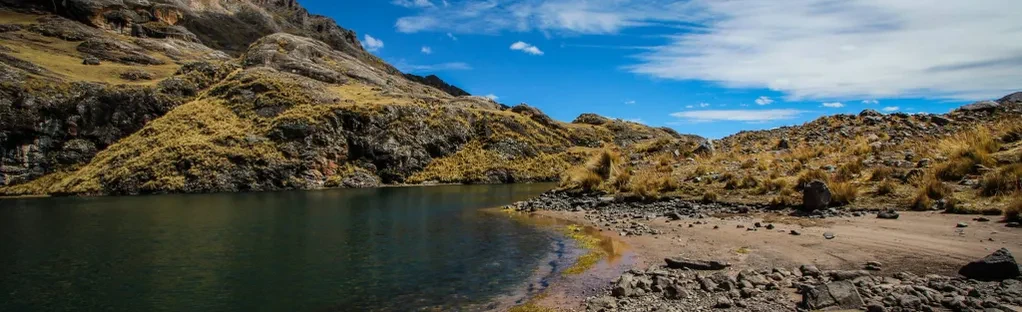
7. Qomercocha Lake
- Altitude: 4,650 meters
- Location: One of the final stops on the Ausangate circuit
- Meaning: Named “green lake” for the intense green color of its waters.
- Climate: Cold and dry, but temperatures can rise slightly during sunny hours.
The History of Apu Ausangate
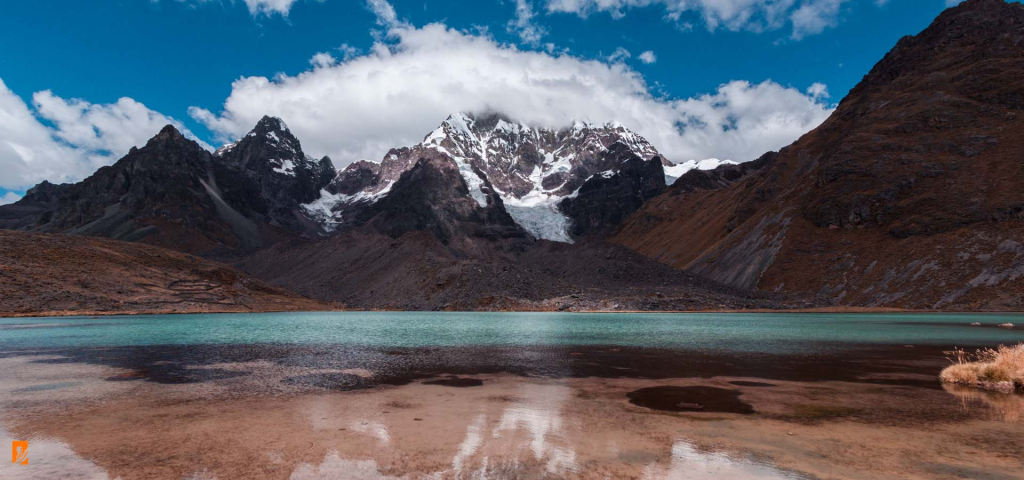
The Ausangate, located in the Peruvian Andes, is a sacred mountain for the indigenous Quechua people. Standing at an altitude of 6,384 meters, Mt Ausangate has been revered for centuries as an Apu, or protective spirit. According to local legend, Ausangate provides water and fertility to the surrounding lands through its glaciers. Beyond its spiritual significance, Ausangate has attracted adventurers from around the world, becoming a popular destination for trekking, especially the Ausangate Trek, which passes through glacial lakes and the famous 7 Lakes of Ausangate circuit.
Relax at the Ausangate Hot Springs During the 7 Lakes Tour
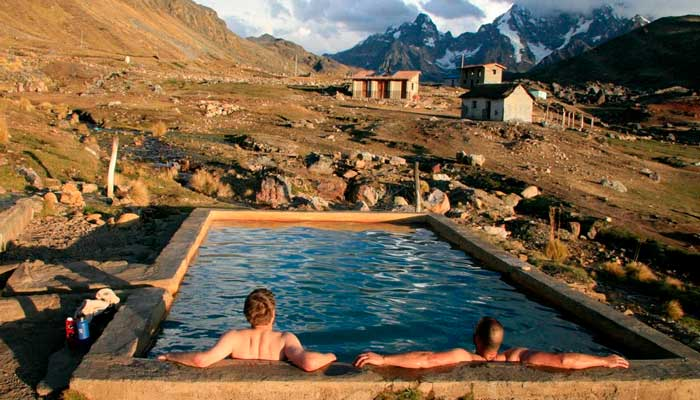
The Ausangate Hot Springs are one of the most relaxing stops during the 7 Lakes of Ausangate Tour. These waters originate from geothermal underground sources heated by volcanic activity deep within the mountain.
With temperatures ranging from 35°C to 38°C, the waters are rich in minerals such as sulfur and magnesium, known for their healing properties. It is said that these waters help relieve muscle pain, improve blood circulation, and treat conditions like rheumatism and arthritis.
Soaking in the Ausangate Hot Springs not only relaxes the body after the physical challenge of trekking but also helps detoxify the skin and reduce stress, providing an overall sense of well-being.
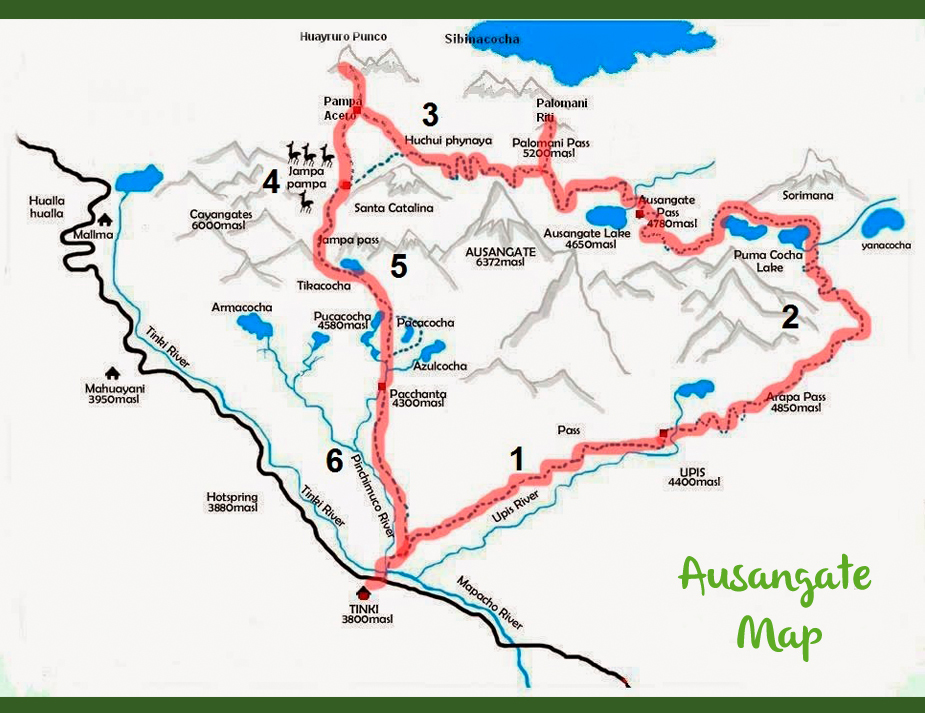
Map of Ausangate Mountain in the Peruvian Andes.
Climbing the Ausangate Peak
The Ausangate Peak stands at an impressive altitude of 6,384 meters (20,945 feet) above sea level, making it one of the highest and most challenging summits in the Peruvian Andes. For those attempting to reach the peak, proper preparation is crucial due to the extreme high-altitude conditions.
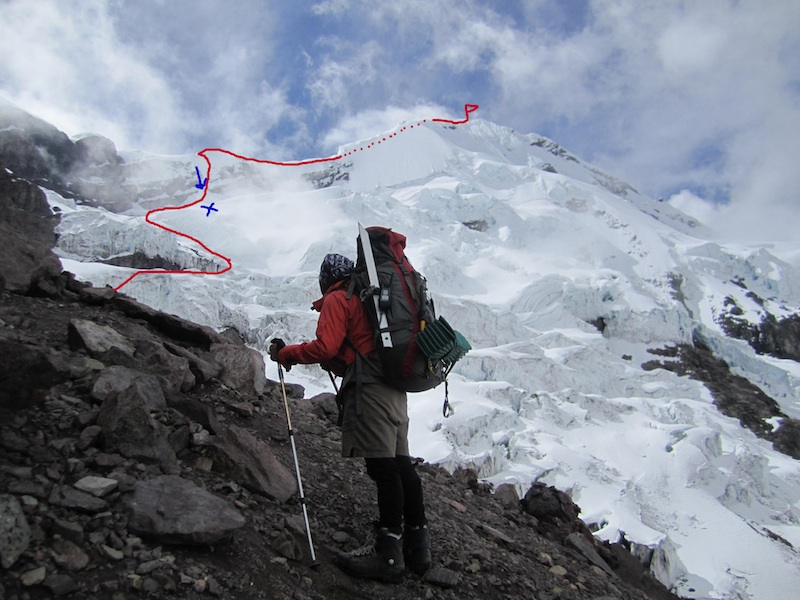
What should you bring or have equipped when climbing Ausangate Peak?
- Thermal clothing and layers: Temperatures at Ausangate Peak can be extremely cold, especially at night. It’s essential to wear thermal layers, a down jacket, and windproof gear.
- Mountaineering boots: The rocky and snowy terrain requires proper footwear with good traction and insulation to protect your feet from the cold.
- Trekking gear: Trekking poles, crampons (if needed), and a helmet are essential for maintaining balance and safety during the ascent.
- Sun protection: At this altitude, UV rays are intense, so make sure to carry high-factor sunscreen, UV-protected sunglasses, and a hat.
- Hydration and high-energy snacks: The physical exertion and altitude demand proper hydration. Bring enough water and energy-dense snacks, such as protein bars or trail mix.
- Basic first aid kit and altitude medication: At 6,000 meters, the effects of altitude sickness can be severe. It’s advisable to carry altitude sickness medication, like acetazolamide, and a basic first aid kit.
With the right preparation, summiting the Ausangate Peak offers a truly unforgettable experience in one of the most majestic landscapes of the Andes.
Conclusion: An Unforgettable Experience in Ausangate
The Ausangate Mountain trek is much more than a physical challenge—it’s an experience that connects hikers with the spirituality of the Andes. From the snow-capped peaks of Nevado Ausangate to the crystal-clear waters of the 7 Lakes of Ausangate, this trek is filled with awe-inspiring landscapes and fascinating legends.
For adventure seekers, the Ausangate trek offers an opportunity to push personal limits while exploring the majesty of one of Peru’s most important mountains. If you’re looking for a transformative journey, Mt Ausangate and all it has to offer should not be missed.
[elfsight_faq id=”37″]