
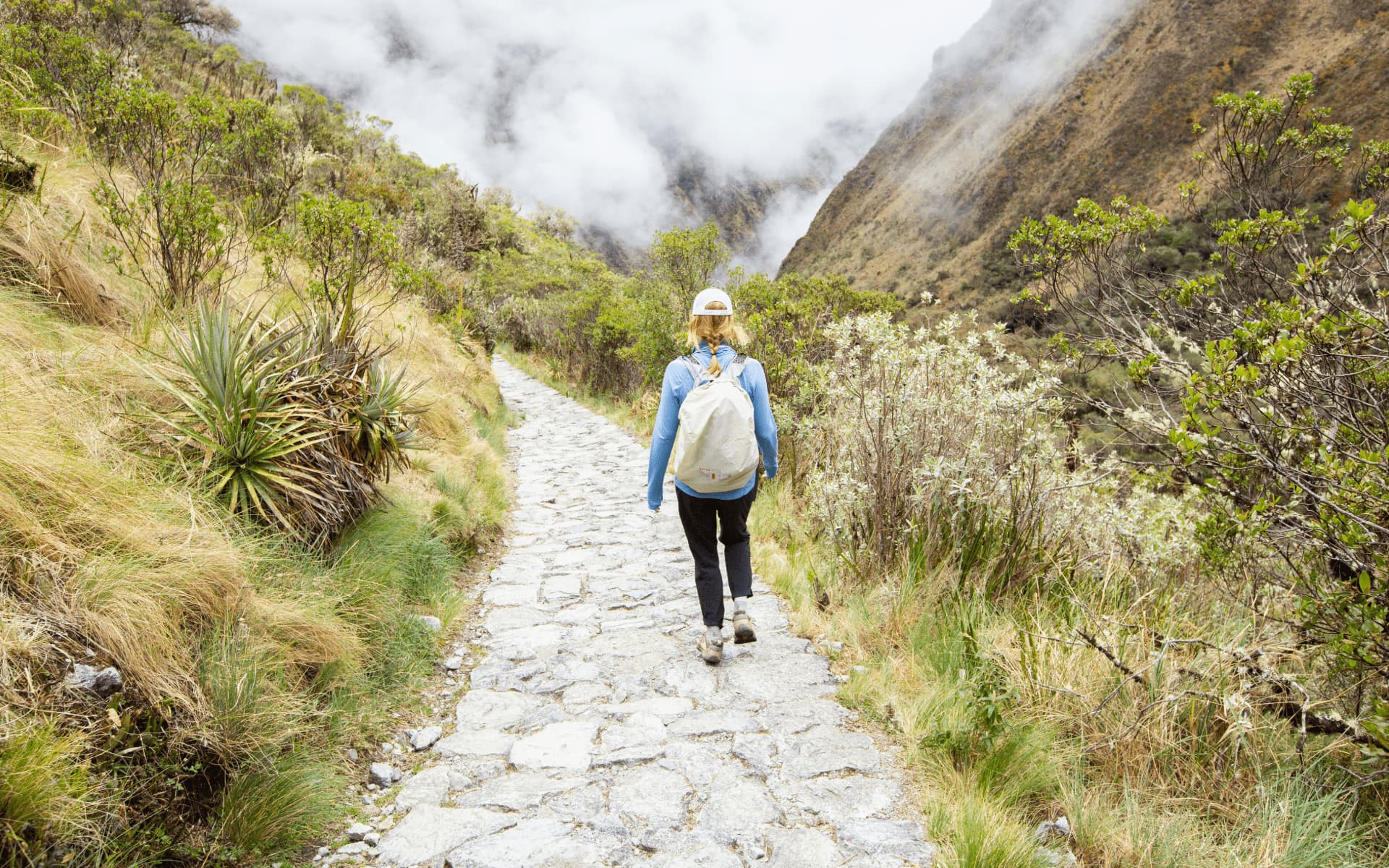
The Inca Trail Peru is more than just a hike; it’s an immersive experience that connects travelers with the ancient history of the Incas and the breathtaking landscapes of the Peruvian Andes. This famous 43–kilometer trail culminates at the enigmatic archaeological site of Machu Picchu, one of the New Seven Wonders of the World. For many, trekking this path is the fulfillment of a dream, a journey that challenges both physically and mentally but offers unparalleled rewards.
History and Significance of the Inca Trail Peru
The Inca Trail is one of the world’s most renowned trekking routes, and for good reason. This trail was part of a vast network of roads built by the Incas to connect their empire, known as the Qhapaq Ñan. The route to Machu Picchu, in particular, was used as a sacred pilgrimage path to the “Lost City of the Incas,” adding a profound sense of historical and spiritual connection to the hike.
Preparing for the Inca Trail: What You Need to Know
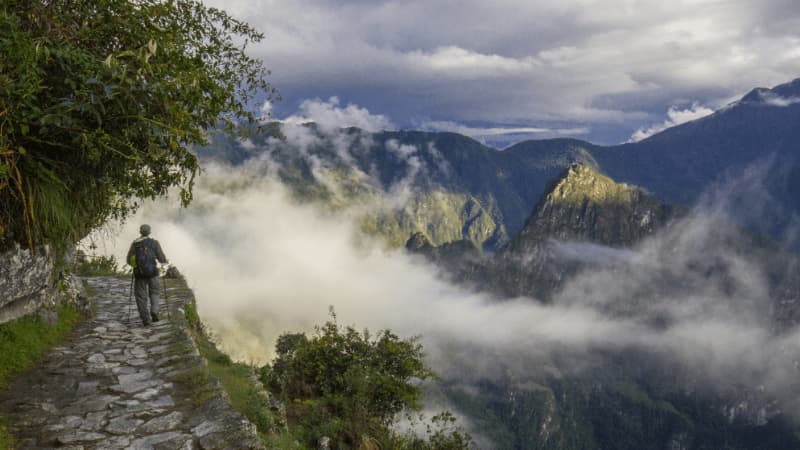
Before embarking on this adventure, thorough preparation is essential. Especially in terms of cardiovascular endurance and leg strength. On more difficult days, such as the climb to Dead Woman Pass, physical preparation is vital, and those who are not prepared may find the hike extremely challenging.
Additionally, altitude is a factor that should not be underestimated. The highest point of the trail, Dead Woman’s Pass, stands at 4,200 meters (13,800 feet) above sea level. Spending a few days in Cusco before the hike is highly recommended to acclimatize to the altitude—something we learned firsthand while dealing with the effects of altitude sickness.
What to Pack for the Inca Trail: Essential Gear
Packing for the Inca Trail requires careful planning. The experience teaches you that the key is to bring the right layers. The weather in the Andes can change dramatically from one moment to the next; one minute you’re hiking in short sleeves under the sun, and the next you need a hat and gloves. Make sure to pack clothes that are easy to add or remove, including a good jacket for cold nights and a raincoat for frequent showers during the wet season.
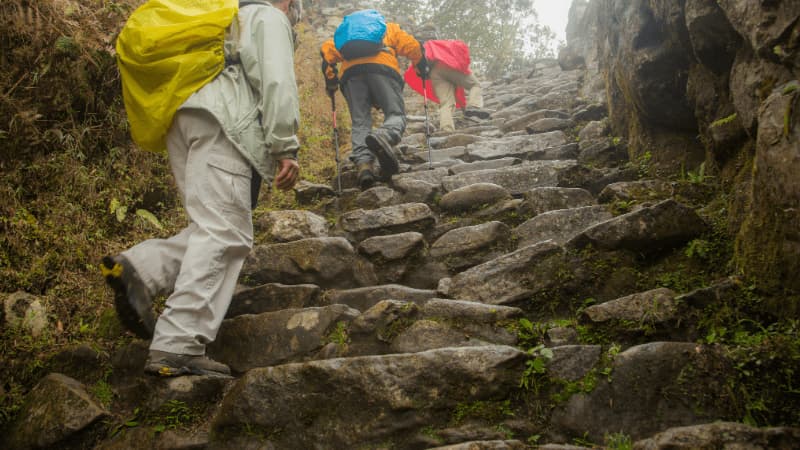
Another essential item is a sturdy pair of waterproof hiking boots with good ankle support. During the trek, you will discover that while the uphill climbs were tough, it was the downhill sections that truly tested our legs and gear. Knee pads and trekking poles can be a great help on these challenging descents.
Inca Trail Peru Classic Itinerary: Day by Day
The classic Inca Trail itinerary spans four days and three nights, each offering a unique mix of challenges and breathtaking views.
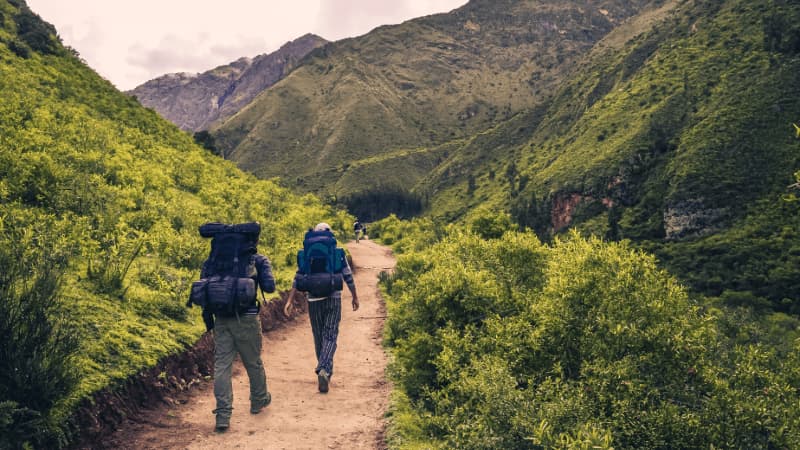
- Day 1: Km 82 to Wayllabamba – This day starts gently, with a gradual ascent allowing hikers to acclimatize. The landscape is dominated by green terraces and surrounding mountains.
- Day 2: Wayllabamba to Pacaymayo (Dead Woman’s Pass) – This is the most challenging day, with the dreaded climb to Dead Woman’s Pass, the highest point on the trail. I clearly remember the mix of euphoria and exhaustion as we reached the summit, our hearts pounding and our bodies begging for rest.
- Day 3: Pacaymayo to Wiñay Wayna – The trail becomes more picturesque as you pass several archaeological sites and descend into the valley. This is a day of discoveries and awe, with less physical exertion than the previous day.
- Day 4: Wiñay Wayna to Machu Picchu – The day culminates in arriving at Machu Picchu through the Sun Gate (Inti Punku), where you finally behold the magnificent Inca city in the early morning light. You will be overwhelmed with emotion to finally be there, a moment that made all the effort worth it.
Weather on the Inca Trail: How to Prepare for the Unexpected
The weather on the Inca Trail is notoriously unpredictable. We experienced it all, from sunny days to torrential rain. The dry season, from May to September, is the most popular time to hike, but it’s also when the trail is most crowded. On the other hand, the rainy season (November to March) offers fewer crowds but more significant weather challenges. Whatever season you choose, being prepared with the right gear and a flexible mindset is crucial.
Challenges of the Inca Trail: Overcoming the Difficulties
The Inca Trail is not an easy hike. There were moments, especially on the steep descents, when we wondered if we could keep going. However, every challenge feels like a personal victory once you overcome it. One of the biggest challenges is altitude sickness, something we experienced firsthand, but it can be mitigated by acclimatization and taking plenty of time to rest.
Reaching Machu Picchu: The Ultimate Reward
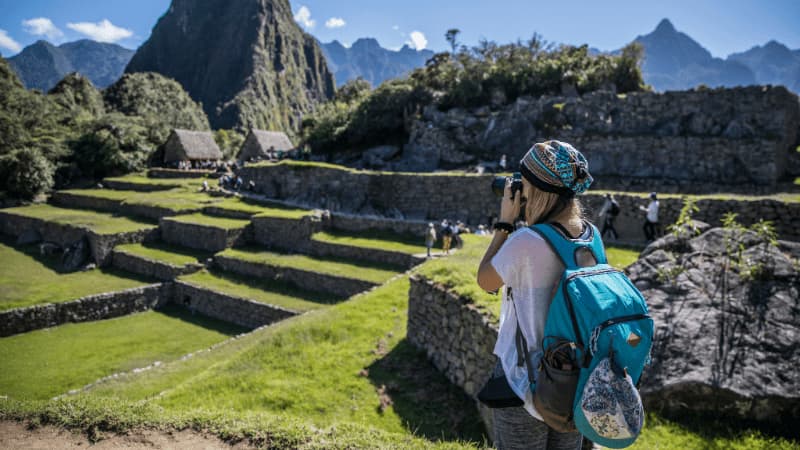
Nothing compares to the emotion of arriving at Machu Picchu after days of hard work. Seeing the first light of day illuminate the ruins from the Sun Gate is a unforgettable moment. It’s a deeply moving experience that justifies every drop of sweat shed along the way.
Final Tips and Reflections on the Inca Trail Peru
Hiking the Inca Trail is one of those life-changing experiences. If you’re considering this adventure, we encourage you to prepare well, choose a reputable tour operator, and fully immerse yourself in the experience. It’s not just about reaching Machu Picchu, but about everything you learn and experience along the way.
[elfsight_faq id=”15″]