
Ollantaytambo, located in the Sacred Valley of the Incas, is a place that takes you straight back in time. Known for its stunning Inca architecture and historical significance, this archaeological site was key during the Inca resistance against the Spanish. In this article, I invite you to discover the most fascinating details of the archaeological ruins of Ollantaytambo and everything you need to know before visiting.
The Archaeological Ruins of Ollantaytambo
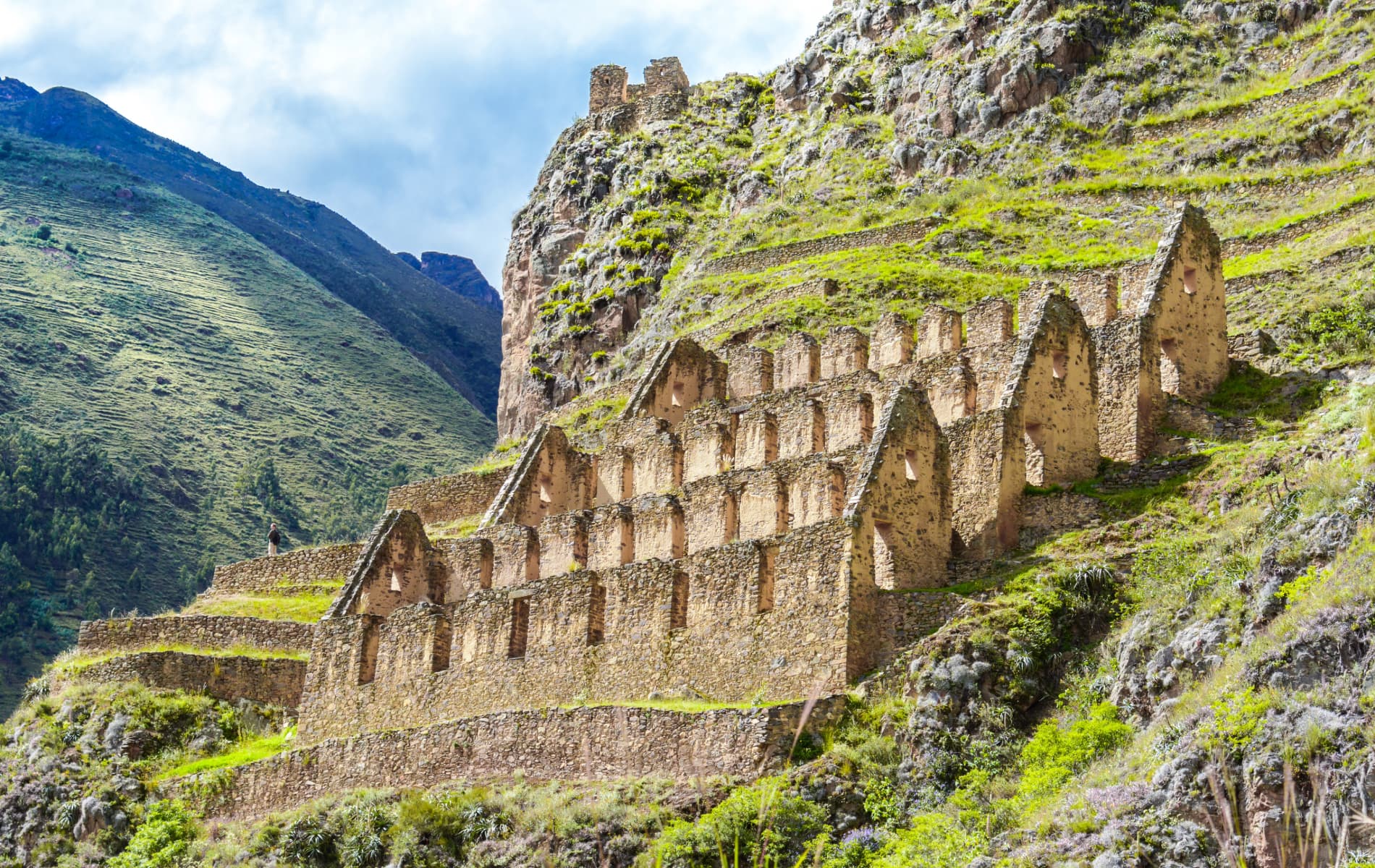
The Ollantaytambo archaeological site is one of the best representations of the architectural grandeur of the Incas. Located over 2,792 meters above sea level, this site was not only a religious and military center but also an important agricultural complex. In every corner of Ollantaytambo, you’ll find perfectly designed terraces, temples dedicated to Inca gods, and defensive structures that have survived for over 500 years. As you walk up its steep stairs, you are literally following the footsteps of history.
The Astonishing Archaeological Site of Ollantaytambo
One of the most surprising aspects of Ollantaytambo is the Inca engineering behind its design. The site not only holds immense archaeological value, but it also offers breathtaking views of the Sacred Valley.
The Inca Terraces: Engineering and Agriculture
The famous terraces of Ollantaytambo are a clear example of the Incas’ agricultural knowledge. These terraces were built to maximize the use of the mountainous terrain and allow cultivation at different levels. As you walk along them, you’ll notice the precision with which they were designed: not only did they help control erosion, but they also created an ideal microclimate for crops.
Each terrace level had a specific purpose, and the irrigation systems still function today, showcasing the advanced agricultural technology of the Incas. When visiting this place, you can’t help but admire the ingenuity that allowed the Incas to thrive in such challenging geographical conditions.
The Temple of the Sun: An Architectural Gem
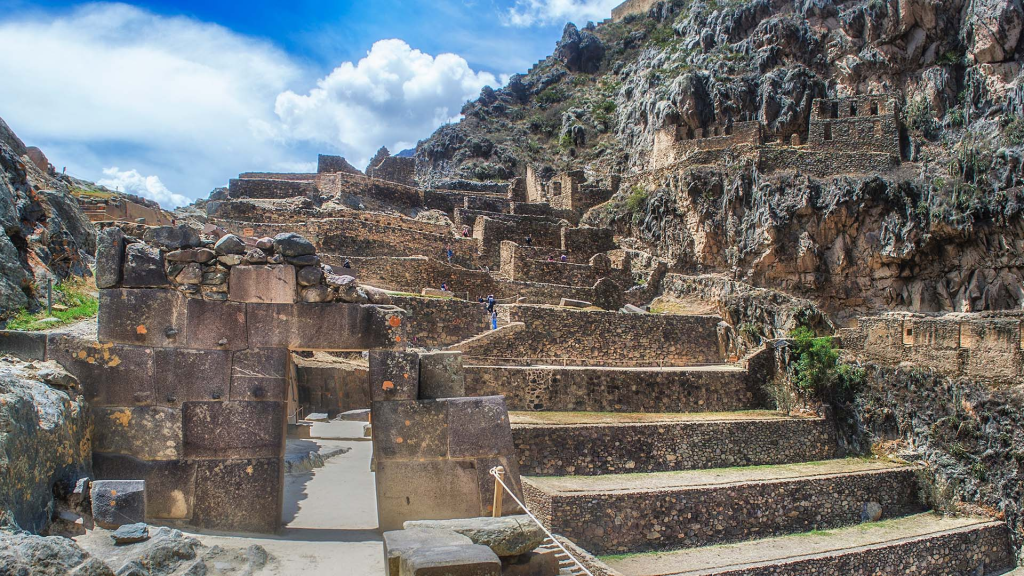
One of the most important areas in Ollantaytambo is the Temple of the Sun, a monumental structure that showcases Inca architectural mastery. Built with huge blocks of pink granite, this temple was designed to align with solstices and other astronomical observations. Climbing up to the temple may require some effort, as there are many stairs, but the views and the sense of history you’ll find there make it absolutely worth it.
The Temple of the Sun consists of several walls of stone that were perfectly carved and placed without the use of mortar, a technique that still intrigues archaeologists today. In fact, the Incas used a construction method called “ashlar,” which allowed them to carve stones with a precision that remains admirable to this day. From the temple, you can also see the adjacent mountain, which features a carving that many interpret as the face of an Inca, adding a mystical touch to the place.
The Incredible Details of Inca Construction
As you explore Ollantaytambo, you’ll be amazed by the architectural details found in every corner. Despite being built over 500 years ago, the stones still fit together with millimeter precision, showcasing the skill level the Incas achieved. The largest and smoothest stones used in the walls were not only functional but also part of their aesthetic style.
One impressive aspect is how the Incas managed to work these stones without sophisticated metal tools, using techniques like friction and specific plants to soften the surfaces. While many details about how the Incas accomplished such feats remain a mystery, the ruins of Ollantaytambo stand as a testament to the intelligence and craftsmanship of this ancient civilization.
Practical Tips for Visiting Ollantaytambo
If you’re planning to visit Ollantaytambo, here are some tips to ensure your visit is as enjoyable as possible:
- Arrive early: Ollantaytambo can get crowded, especially during peak season. Arriving early allows you to explore the archaeological site in peace and avoid the crowds.
- Be prepared to walk: The stairs and steep terraces require a good level of fitness. Wear comfortable shoes and be ready for some physical effort.
- Bring sunscreen and water: Even though you’re in the mountains, the sun can be strong during the day. Bring sunscreen, a hat, and a water bottle to stay hydrated throughout your visit.
- Hire a local guide: While you can explore the site on your own, a guide will help you better understand the history and architectural details of Ollantaytambo. Additionally, local guides often share interesting insights you won’t find in books.
Conclusion: An Unforgettable Journey Through Inca History
Visiting the archaeological ruins of Ollantaytambo is a unique experience that will deeply connect you with Inca history. This majestic place is more than just a tourist destination; it’s a window into the past that reveals the greatness of a civilization that mastered the mountains and left an everlasting mark. From its perfectly designed terraces to the impressive Temple of the Sun, Ollantaytambo is a place that will leave you amazed at every turn.
Take your time to explore every corner, and don’t forget to appreciate the natural beauty surrounding this magical place. Your journey into the Inca past will be unforgettable!
Frequently Asked Questions
What is the highlight of the Ollantaytambo archaeological site?
The highlights include the Temple of the Sun, the agricultural terraces, and the impressive stone walls that showcase the advanced Inca engineering.
How old is the Ollantaytambo archaeological site?
The site dates back to around 1432, making it over 500 years old.
How much time do I need to explore Ollantaytambo?
It is recommended to spend at least 2 to 3 hours exploring the archaeological site and enjoying the panoramic views of the Sacred Valley.
Is it difficult to climb the terraces of Ollantaytambo?
Climbing the terraces can be challenging due to the number of steps and the altitude, but it is accessible for most visitors with a moderate level of fitness.
When is the best time to visit Ollantaytambo?
The best time to visit is during the dry season, from May to September, when the weather is more favorable for tourism.