
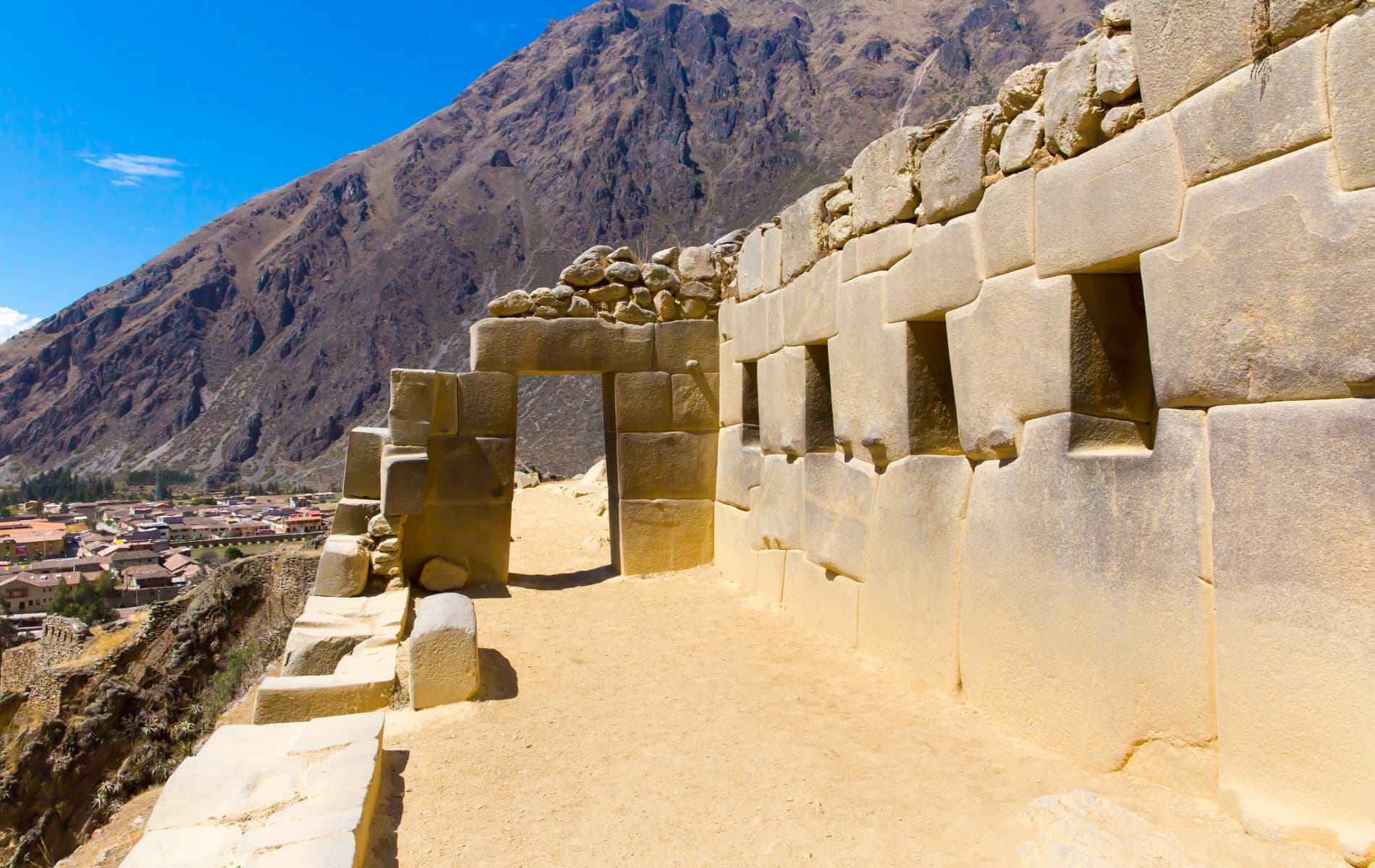

Located in the Sacred Valley of the Incas, Ollantaytambo is a place full of history, culture, and breathtaking landscapes. This charming Inca town is known for its stunning archaeological site, ancient architecture, and its importance as a gateway to Machu Picchu. In this article, we’ll explore the reasons why Ollantaytambo is an unmissable destination during your visit to the Sacred Valley.
Introduction: Why Visit Ollantaytambo in the Sacred Valley?
Ollantaytambo isn’t just another stop in the Sacred Valley; it’s a destination that captures the essence of Inca civilization. Located at around 2,792 meters above sea level, this town has preserved its original Inca structure, making it one of the few places in the world where you can walk through streets designed by the Incas centuries ago.
From its archaeological ruins to the surrounding mountains, Ollantaytambo offers a unique experience that combines history, adventure, and natural beauty. Its importance in Inca history and its cultural legacy make it a must-see for any traveler looking to dive deep into the Sacred Valley.
The Impressive Archaeological Site of Ollantaytambo
One of the main attractions of Ollantaytambo is its archaeological site, an imposing fortress that towers over the town. With a series of agricultural terraces climbing up the mountainside and connected by steep stairways, this site transports you back to the time of the Incas.
Terraces, Temples, and Inca Architecture
The agricultural terraces of Ollantaytambo were not only used for farming but also served as natural defenses for the town. From the top of the terraces, you can enjoy panoramic views of the valley and the surrounding mountains, offering a spectacular view of the region.
One of the most impressive aspects of the site is the Temple of the Sun, built with enormous stone blocks transported from quarries located several kilometers away. The precision with which these stones were carved and assembled still amazes archaeologists. This temple was not only a place of worship but also used for astronomical observations, a common practice in Inca culture.
Living History: The Importance of Ollantaytambo in Inca Culture
Ollantaytambo was not only an agricultural and religious center but also a key military stronghold during the Inca resistance against the Spanish conquerors. It was here that Inca Manco organized one of the last major battles against the Spaniards, using the terraces and water channels to repel the advance of enemy troops.
This town was also one of the royal residences of Inca Pachacútec, who rebuilt the fortress and expanded its infrastructure. The combination of its defensive, religious, and agricultural roles made Ollantaytambo a vital strategic center for the Incas. Today, as you walk through its streets and ruins, you can feel the weight of that history.
Unique Experience: What to Do and See in Ollantaytambo
Visiting Ollantaytambo offers an experience that goes beyond exploring its archaeological site. This town, which is still inhabited, preserves the original Inca urban layout, with houses and water channels that have been functioning for over 500 years. Here are some of the top activities to do during your visit:
1. Explore the Archaeological Site
As mentioned, the ruins are the main attraction, and you should not miss the opportunity to walk through the terraces, climb up to the Temple of the Sun, and enjoy the panoramic views of the Sacred Valley.
2. Wander the Inca Town
The town of Ollantaytambo is a living museum. Walking through its cobbled streets allows you to see how life was in Inca times. Many of the current houses are built on the original Inca foundations, and the water channels still flow throughout the town as they did centuries ago.
3. Visit the Train Station
Ollantaytambo is also the main departure point for travelers heading to Machu Picchu by train. The train station is a perfect place to relax, enjoy a coffee, and prepare for your next adventure to one of the Seven Wonders of the World.
Tips for Your Visit
- Arrive early: The archaeological site of Ollantaytambo can get crowded, especially during peak season. Arriving early will allow you to enjoy the site with greater tranquility.
- Bring your camera: The views from the top of the archaeological site are breathtaking. Make sure to bring a good camera or your smartphone to capture the unique landscapes of the Sacred Valley.
- Stay hydrated and wear sunscreen: Although the weather may be cool due to the altitude, the Andean sun is strong. Bring a water bottle and sunscreen to avoid dehydration or sunburn.
Conclusion: Ollantaytambo, a Key Stop in the Sacred Valley
Ollantaytambo is a destination that has it all: history, culture, and stunning landscapes. Its significance as an archaeological site and its fundamental role in Inca history make it a place that no traveler should miss while exploring the Sacred Valley. Whether you’re on your way to Machu Picchu or looking for a deeper dive into Inca civilization, Ollantaytambo will leave you amazed at every turn.
With its agricultural terraces, monumental temples, and streets filled with history, Ollantaytambo is undoubtedly one of the most fascinating and unmissable destinations in the Sacred Valley. Don’t miss it on your next adventure in Peru!
Frequently Asked Questions
Why is it important to visit Ollantaytambo?
Ollantaytambo is one of the most important archaeological sites in the Sacred Valley. It offers rich Inca history, stunning panoramic views, and is one of the few towns where the original Inca urban layout has been preserved.
How much time do I need to visit Ollantaytambo?
It is recommended to spend at least 2 to 3 hours exploring the archaeological site and the town. If you have more time, you can also stay overnight before continuing your journey to Machu Picchu.
When is the best time to visit Ollantaytambo?
The best time to visit is during the dry season, from May to September, when the weather is more stable and suitable for walking through the ruins and enjoying the views.
Can I visit Ollantaytambo before going to Machu Picchu?
Yes, Ollantaytambo is a common stop on the way to Machu Picchu, especially for those taking the train from its station.
How difficult is it to climb the terraces of Ollantaytambo?
Climbing the terraces can be challenging due to the altitude and the number of steps, but it is accessible to most visitors with moderate physical fitness.