

The Best Time to Visit Chinchero: Tips and Recommendations
Chinchero, a beautiful town located in the Sacred Valley of the Incas, is a destination filled with history, tradition, and stunning Andean landscapes. Known for its rich culture, Inca ruins, and vibrant markets, Chinchero offers a unique experience for travelers. However, the time of year you choose to visit can significantly impact your trip. In this article, we’ll explore the best time to visit Chinchero and offer practical tips to ensure you get the most out of your visit.
When is the Best Time to Visit Chinchero?
Chinchero, located at an altitude of 3,762 meters (12,343 feet), has a climate typical of the Andean highlands. Like other destinations in the region, it experiences two distinct seasons: the dry season and the rainy season. Each season offers its own advantages and challenges, depending on the type of experience you’re seeking.
The dry season, from May to September, is the most popular time to visit Chinchero due to its clear skies and stable weather. The rainy season, from October to April, brings lush greenery and fewer tourists, but also frequent afternoon showers. Whether you prefer sunny days for exploring the ruins or a quieter experience in the rain-kissed valley, understanding the climate is key to planning your trip.
Dry Season: May to September
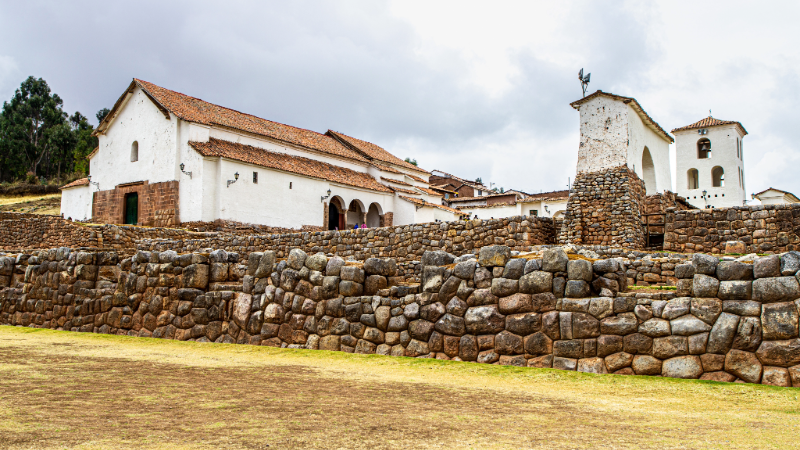
The dry season is widely considered the best time to visit Chinchero. During this period, you’ll enjoy clear skies, making it perfect for outdoor activities like visiting the Inca terraces and colonial church that Chinchero is known for. Temperatures during the day range from 15°C to 20°C (59°F to 68°F), while nights can get cold, often dropping to 5°C (41°F) or lower.
This is also the peak tourist season in the Sacred Valley, as many visitors prefer to explore under the sun. If you’re planning to visit Chinchero’s famous Sunday market, where locals trade traditional textiles and handicrafts, arriving early will allow you to experience the market before it gets crowded.
Advantages of visiting during the dry season:
- Stable weather with minimal chance of rain, ideal for visiting the archaeological site and enjoying the landscapes.
- Clear skies provide perfect conditions for photography, especially at sunrise and sunset.
- Festivals like Inti Raymi, the traditional Inca sun festival held in June, offer a cultural experience full of color and history.
Disadvantages:
- More tourists, especially in June, July, and August.
- Higher prices for accommodation and tours due to increased demand.
Rainy Season: October to April
The rainy season in Chinchero starts in October and peaks between December and March. During these months, you can expect regular afternoon showers, but mornings are often clear, providing time to explore before the rain sets in. Daytime temperatures remain around 15°C to 20°C (59°F to 68°F), similar to the dry season, but the evenings can feel colder due to the humidity.
Despite the rain, the rainy season has its own charm. The valleys and mountains turn a vibrant green, creating a striking contrast against the stone ruins and villages. Plus, you’ll find fewer tourists during this time, giving you a more peaceful experience.
Advantages of visiting during the rainy season:
- Fewer tourists, meaning a more relaxed and intimate visit to the archaeological sites and markets.
- Lower prices for accommodation and tours due to decreased demand.
- Lush, green landscapes that add beauty to the Sacred Valley, perfect for nature lovers and photographers.
Disadvantages:
- Frequent rain, especially in the afternoons, which can limit some outdoor activities.
- Unpredictable weather, requiring you to bring proper rain gear and be flexible with your plans.
Travel Tips for Visiting Chinchero
Regardless of the time of year, there are several tips that will help you make the most of your visit to Chinchero:
- Dress in layers: The Andean climate can vary significantly throughout the day. Mornings and evenings are cold, while the midday sun can be strong. Wear light clothing during the day, but bring warm layers for the cooler nights.
- Pack sun protection: Even during the rainy season, the high altitude means the sun can be intense. Bring sunscreen, sunglasses, and a hat to protect yourself from the UV rays.
- Bring rain gear: If you’re visiting during the rainy season, be sure to pack a waterproof jacket or poncho, and wear shoes that can handle wet and muddy paths. A backpack cover or waterproof bag is also recommended to keep your belongings dry.
- Book early during the dry season: The dry season is the busiest time for tourism in Chinchero and the Sacred Valley. If you’re traveling between June and August, make sure to book your accommodation and tours well in advance to secure your spot.
- Experience the local market: No matter the season, visiting Chinchero’s Sunday market is a must. It’s one of the most authentic markets in the Sacred Valley, where you can see locals selling traditional Quechua textiles, including handwoven ponchos and blankets. Arriving early will give you the best chance to interact with the artisans before the crowds arrive.
Conclusion: Making the Most of Your Visit to Chinchero
Visiting Chinchero is a rewarding experience regardless of the season, thanks to its blend of Inca history, colonial heritage, and stunning natural surroundings. Choosing the best time to visit depends on your preferences: if you prefer clear skies and easy access to all outdoor activities, the dry season is your best option. However, if you enjoy lush landscapes, fewer crowds, and don’t mind the rain, the rainy season can offer a unique and peaceful experience.
With its rich history, breathtaking scenery, and vibrant culture, Chinchero is a destination you’ll remember forever. Whether you’re visiting for the Inca ruins, the vivid textiles, or the stunning Andean vistas, Chinchero offers something for every traveler.
Frequently Asked Questions
When is the best time to visit Chinchero?
The best time to visit Chinchero is during the dry season from May to September, when the weather is more stable, and you can enjoy the archaeological site and markets with minimal chance of rain.
Is it worth visiting Chinchero during the rainy season?
Yes, the rainy season (from October to April) offers fewer tourists, greener landscapes, and lower prices. While there may be afternoon showers, the mornings are often clear, allowing for exploration before the rain begins.
What is the average temperature in Chinchero?
Daytime temperatures in Chinchero range from 15°C to 20°C (59°F to 68°F) throughout the year, but nights can drop to around 5°C (41°F), especially during the dry season.
What should I wear when visiting Chinchero?
Dress in layers to accommodate the changing temperatures. Even on sunny days, it can be chilly in the mornings and evenings, so bring a warm jacket. Also, pack sunscreen and, during the rainy season, bring waterproof clothing.
Do I need to book accommodation in advance?
If you’re visiting during the dry season, particularly between June and August, it’s recommended to book accommodation and tours in advance, as this is the busiest time for tourism in the region.