
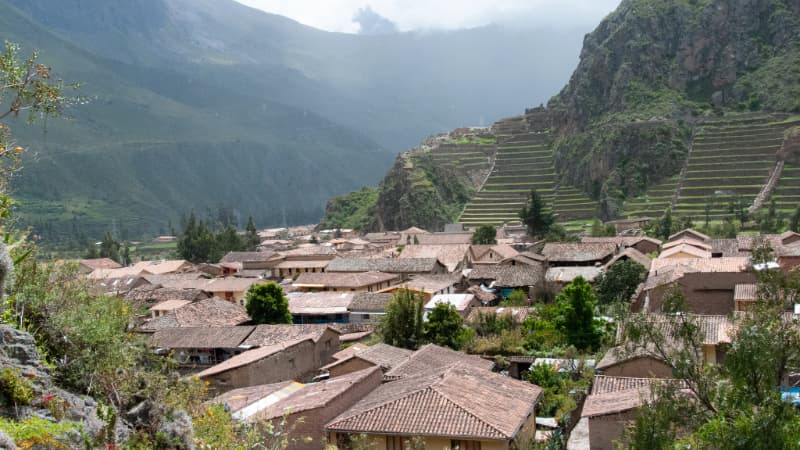
Ollantaytambo, one of the most iconic places in the Sacred Valley of the Incas, is a destination that can be enjoyed at any time of the year. However, weather conditions vary throughout the months, which can influence your experience. In this article, we will help you decide the best time to visit Ollantaytambo, depending on what you’re looking for, and provide practical tips to help you make the most of your trip.
Introduction: When is the Best Time to Visit Ollantaytambo?
Ollantaytambo, located at 2,792 meters above sea level, is known for its impressive ruins, cobblestone streets, and proximity to Machu Picchu. Being in a mountainous region of the Peruvian Andes, Ollantaytambo has two well-defined seasons: the dry season and the rainy season.
The dry season, from May to September, is ideal for those who want to explore the archaeological site with clear skies and pleasant weather. The rainy season, from October to April, offers a greener landscape and fewer tourists, but the rains can affect mobility in the area.
Dry Season: May to September
The dry season is considered the best time to visit Ollantaytambo as it offers ideal weather conditions for exploring the ruins and enjoying the scenery. During these months, the days are sunny, with temperatures ranging between 15°C and 20°C during the day, although nights can get cold, dropping to around 5°C.
The months of June, July, and August are the most popular as they coincide with summer vacations in many parts of the world. This means you’ll encounter more tourists at the archaeological site and in the town, so it’s recommended to book transportation and accommodation in advance.
Advantages of traveling during the dry season:
- Stable weather and clear skies, perfect for photographing the landscape and ruins.
- Better visibility for hiking and enjoying panoramic views.
- Ideal conditions for outdoor activities such as hiking and biking tours.
Disadvantages:
- More tourists, especially in June, July, and August.
- Higher prices for accommodation and tourist services due to high demand.
Rainy Season: October to April
The rainy season in Ollantaytambo peaks between December and March, with these being the wettest months. Although the weather can be unpredictable, with frequent afternoon showers, mornings are usually sunny and pleasant, allowing for some outdoor activities before the rain starts.
During this season, the Sacred Valley is covered in lush greenery that contrasts beautifully with the mountains and Inca terraces. Additionally, there are significantly fewer tourists, allowing you to enjoy the archaeological site in a more peaceful environment.
Advantages of traveling during the rainy season:
- Fewer tourists and more tranquility at the ruins and in the town.
- Lower prices for accommodation and tours due to decreased demand.
- Greener landscapes and vibrant nature, which may appeal to nature lovers.
Disadvantages:
- Frequent afternoon showers, which can limit some outdoor activities.
- Risk of landslides or temporary road closures, which may affect mobility.
- More unpredictable weather, so it’s important to bring proper rain gear.
Travel Tips for Each Time of Year
Regardless of the season you choose to travel, here are some key recommendations to help you enjoy Ollantaytambo at any time of the year:
- Book in advance: If you’re traveling during the dry season, especially from June to August, it’s essential to book your train tickets, accommodation, and tours in advance since it’s the busiest season. During the rainy season, even though there are fewer tourists, it’s still important to confirm your reservations ahead of time as some services may be affected by the weather.
- Dress in layers: The weather in Ollantaytambo can be very variable. During the day, it can be warm, but the nights and early mornings are cold, especially during the dry season. Bring light clothing for the day and a warm jacket for the evenings.
- Sun protection: Despite the altitude and cooler temperatures, the sun in the Andes can be very strong. Don’t forget to bring sunscreen, a hat, and sunglasses, especially if you’re visiting during the dry season.
- Rain gear: If you’re traveling during the rainy season, pack a rain jacket or poncho, as well as waterproof shoes for walking on wet surfaces. It’s also helpful to carry a waterproof backpack or cover to protect your belongings.
Final Recommendations for Enjoying Your Visit to Ollantaytambo
Visiting Ollantaytambo is a unique experience filled with history, culture, and stunning landscapes. To fully enjoy your trip, choose the time of year that best suits your preferences and travel plans. If you prefer clear skies and more stable temperatures, the dry season is the ideal choice. However, if you want to avoid the crowds and enjoy a quieter, greener environment, the rainy season also has many advantages.
No matter which season you choose, Ollantaytambo will amaze you with its beauty, historical significance, and the majesty of its natural surroundings. Get ready for an unforgettable adventure in the Sacred Valley of the Incas!
Frequently Asked Questions
When is the best time to visit Ollantaytambo?
The best time to visit Ollantaytambo is during the dry season, from May to September, when the weather is more stable and ideal for exploring the archaeological site.
Is it recommended to visit Ollantaytambo during the rainy season?
Yes, the rainy season (from October to April) is also a good option if you prefer to avoid crowds and enjoy greener landscapes. However, you should be prepared for possible rain and bring the appropriate gear.
What are the average temperatures in Ollantaytambo?
During the dry season, daytime temperatures range from 15°C to 20°C, while nighttime temperatures can drop to around 5°C. In the rainy season, temperatures are similar, but the atmosphere is more humid with frequent rainfall.
Do I need to book accommodation in advance?
Yes, especially during the dry season. During the most popular months (June, July, and August), it’s recommended to book in advance due to high demand.
What should I bring if I visit Ollantaytambo in the rainy season?
If you’re visiting during the rainy season, bring a rain jacket, waterproof shoes, and an umbrella or a waterproof backpack to protect your belongings.