

Andahuaylillas: A Baroque Treasure in the Heart of Cusco
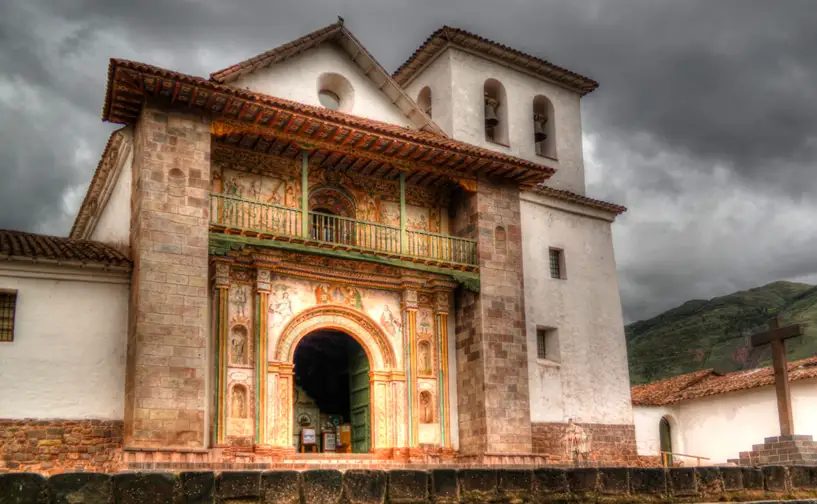
Located in the South Valley of Cusco, the San Pedro Apóstol Church in Andahuaylillas is one of the greatest examples of Andean Baroque art in Latin America. This small town, known for its colonial architecture, is home to a true gem that has been nicknamed the Sistine Chapel of America for its rich art and beautiful decorations.
Built in the early 17th century, this church is more than just a place of worship—it’s a living museum that transports visitors to Peru’s colonial past, where you can see the blending of Spanish and Indigenous cultures in every detail.
San Pedro Apóstol Church: The “Sistine Chapel of America”
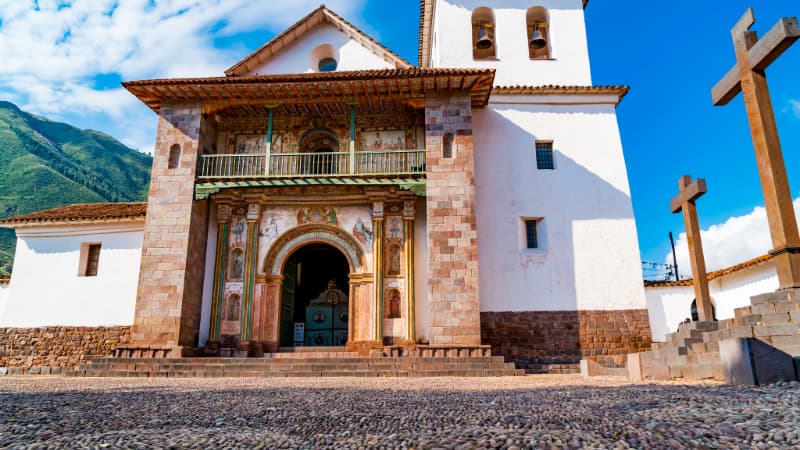
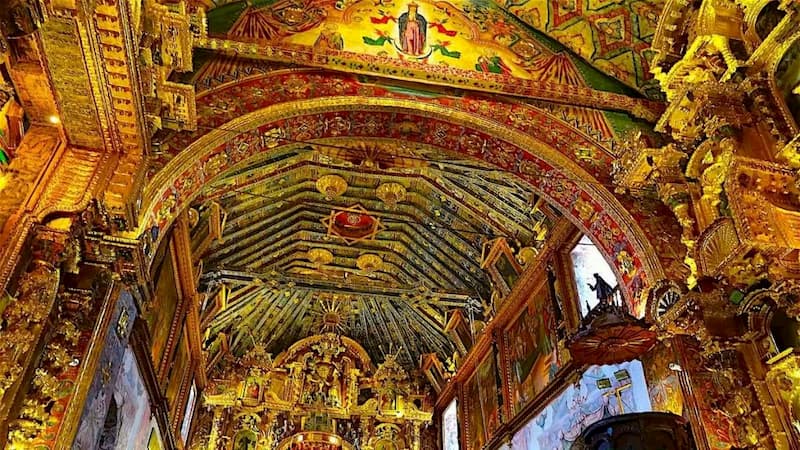
The San Pedro Apóstol Church of Andahuaylillas, built in 1606, is famous for its magnificent interior. While the outside may look simple, inside, visitors are amazed by the luxurious art. The frescoes covering the walls and ceilings are some of the finest examples of baroque art in Cusco during the colonial period.
What makes this church special is how it blends Spanish art with Indigenous traditions. Every detail, from the carved wooden altars to the religious paintings, tells the story of cultural fusion that defines the Andean Baroque style.

Andean Baroque: A Fusion of Cultures in Colonial Art
Andean Baroque is an artistic style that flourished in Peru and Bolivia during the 17th and 18th centuries, mixing European Baroque with local Indigenous techniques and symbols. The Andahuaylillas church is one of the finest examples of this fusion.
Through its frescoes and decorations, we can see how local artists incorporated native Andean motifs into religious works, creating a style that is both grand and unique. Andahuaylillas is a clear example of how art can reflect the history of cultural integration.
History of Andahuaylillas’ Construction in the 17th Century
The church was built starting in 1606 by the Jesuit order, who played a key role in converting the local population to Christianity. This temple, dedicated to Saint Peter the Apostle, was not only a place of worship but also a center for educating the local Indigenous communities.
It reflects the strategy of religious orders in the 17th century, building monumental churches in rural areas to attract Indigenous people to the new faith. The baroque details in both the architecture and art of Andahuaylillas were meant to captivate and impress.
Artistic Details: Frescoes, Altars, and Ornamentation
The artistic richness of Andahuaylillas is astonishing. The frescoes inside were painted by artists from the Cusco school, a local artistic movement that combined Renaissance and Baroque techniques with Andean decorative styles.
One of the most impressive elements is the main altar, a baroque masterpiece full of golden details and religious figures. The ceilings, which resemble heavenly vaults, are decorated with angels and saints, while the walls are covered with valuable paintings.
These details make visiting Andahuaylillas a mystical experience, where you feel surrounded by centuries of history and art.
The Impact of Andahuaylillas on Latin American Baroque Art
The influence of Andahuaylillas goes beyond the Cusco region. This church is considered one of the highest expressions of Andean Baroque, a style that later spread throughout the region.
Its artistic richness also influenced other colonial churches in Peru, especially in rural areas, where missionaries built churches that not only served as centers of faith but also places of cultural integration between Indigenous and Spanish peoples.
Visiting Andahuaylillas Today: A Must-See Experience
Today, Andahuaylillas remains a must-see destination for art, history, and culture lovers. Located just 45 minutes from Cusco, in the South Valley, the church attracts thousands of tourists every year who come to admire the frescoes and golden carvings that have survived more than four centuries of history.
For those looking to travel back to the 17th century and experience the heart of Andean Baroque, a visit to Andahuaylillas offers a unique journey. The beauty of the church, combined with the natural surroundings, makes it an unforgettable experience.
Frequently Asked Questions
Why is the Church of Andahuaylillas called the “Sistine Chapel of America”?
It is given this name because of the impressive amount and quality of its frescoes and interior decorations, comparable in detail and beauty to the famous Sistine Chapel in Rome. The church is considered one of the jewels of Andean Baroque.
What is the significance of Baroque art in Andahuaylillas?
The Baroque art in Andahuaylillas is a unique blend of Spanish and Indigenous influences, known as Andean Baroque. This artistic fusion reflects the cultural mix that took place during the colonial period.
When was the Andahuaylillas church built?
The San Pedro Apóstol Church in Andahuaylillas was built in the early 17th century, specifically in 1606, as part of the Jesuit evangelization efforts in southern Peru.
What artistic features stand out in the Andahuaylillas church?
The most notable features include the frescoes that cover the walls and ceilings, the gilded altars, and the intricate wood carvings. All these elements are part of the Andean Baroque style, showcasing the creativity of local artists from that era.
How can you visit the Andahuaylillas church?
The church is located just 45 minutes from the city of Cusco, in the South Valley. It can be easily reached by organized tours or private transportation and is open to the public for both tourist and religious visits.